
Introduction
Interior design trends continue to evolve every year, bringing fresh ideas and creative solutions for homeowners and design enthusiasts. Whether you are renovating an entire house or simply updating a room, understanding current trends helps you make informed decisions. Modern interiors focus on comfort, functionality, and aesthetics, creating spaces that feel both stylish and practical.
Today, people prefer homes that reflect their personality while offering convenience and flexibility. From natural materials to sustainable furniture and smart home technology, interior design trends are becoming more innovative than ever. These trends are not only about beauty but also about improving the quality of daily life.
Furthermore, changing lifestyles have influenced the way people design their spaces. Remote work, wellness, and environmental awareness have encouraged homeowners to create more organized and relaxing environments. As a result, interior design trends have shifted toward comfort, minimalism, and multifunctional spaces.
This guide explores the latest ideas, explains their importance, and provides practical steps to help beginners and intermediate readers transform their homes with confidence.
What Is Interior Design Trends?
Interior design trends refer to the popular styles, materials, colors, layouts, and decorating ideas that influence modern homes and living spaces. These trends evolve according to lifestyle changes, technology, and consumer preferences.
Interior design trends include:
- Color palettes
- Furniture styles
- Lighting concepts
- Wall finishes
- Decorative accessories
- Sustainable materials
- Smart home integration
For example, earthy colors, curved furniture, textured walls, and eco-friendly materials are among the most popular design trends today.
Why Is Interior Design Trends Important?
Interior design trends are important because they help people create attractive and functional spaces that match modern lifestyles.
Here are several reasons why they matter:
- Improve comfort and organization.
- Increase property value.
- Create visually appealing spaces.
- Reflect personality and taste.
- Support sustainability and energy efficiency.
- Enhance productivity and relaxation.
Additionally, staying updated with interior design trends prevents spaces from looking outdated. Even small changes can refresh a room and create a completely different atmosphere.
Detailed Step-by-Step Guide
Step 1: Understand Your Lifestyle
Before following any trend, consider your daily routine and needs.
Ask yourself:
- Do you work from home?
- Do you have children or pets?
- Do you prefer minimalist or luxurious spaces?
Understanding your lifestyle ensures that design choices remain practical.
Step 2: Choose a Color Palette
Colors define the mood of a room. Current interior design trends favor warm and earthy tones.
Popular colors include:
- Beige
- Terracotta
- Olive green
- Soft gray
- Warm white
- Dusty blue
Neutral shades create calm environments and pair well with different furniture styles.
Step 3: Incorporate Natural Materials
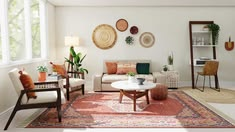
Natural materials are dominating modern interiors.
Examples include:
- Wood
- Stone
- Linen
- Cotton
- Bamboo
- Rattan
These materials add warmth and texture while creating timeless appeal.
Step 4: Select Functional Furniture
Furniture should combine beauty and practicality.
Popular choices include:
- Curved sofas
- Multifunctional tables
- Storage beds
- Modular seating
- Compact desks
For example, a storage ottoman can provide seating while keeping clutter hidden.
Step 5: Focus on Lighting
Lighting dramatically affects the appearance of a room.
Layer lighting with:
- Ambient lighting.
- Task lighting.
- Accent lighting.
Pendant lights, floor lamps, and LED strips are among the leading interior design trends.
Step 6: Add Texture
Texture creates depth and interest.
Consider adding:
- Wool rugs
- Velvet cushions
- Wooden panels
- Textured wallpapers
- Linen curtains
Mixing textures makes rooms feel more inviting and sophisticated.
Step 7: Bring Nature Indoors
Biophilic design remains one of the strongest interior design trends.
Add:
- Indoor plants
- Large windows
- Natural light
- Organic materials
Plants improve air quality and create a relaxing atmosphere.
Step 8: Embrace Smart Technology
Smart homes are becoming increasingly popular.
Examples include:
- Smart thermostats
- Voice-controlled lighting
- Automated curtains
- Smart security systems
These technologies improve convenience and efficiency.
Step 9: Create Multifunctional Spaces
Modern homes often require flexibility.
Examples include:
- Home office and guest room combinations
- Dining areas with workspaces
- Foldable furniture solutions
Multifunctional rooms maximize available space without sacrificing style.
Step 10: Personalize the Space
While trends provide inspiration, personalization makes a home unique.
Add:
- Family photographs
- Artwork
- Travel souvenirs
- Handmade decorations
Personal touches ensure your home reflects your identity.
Benefits of Interior Design Trends
Following interior design trends offers several advantages:
- Improves visual appeal.
- Enhances comfort and functionality.
- Increases home value.
- Creates better organization.
- Supports sustainable living.
- Encourages creativity.
- Makes small spaces appear larger.
- Promotes relaxation and well-being.
- Provides modern and timeless aesthetics.
- Allows better use of available space.
Disadvantages and Risks
Although trends are exciting, they also have limitations.
- Some trends become outdated quickly.
- Renovations can be expensive.
- Trendy designs may not suit every lifestyle.
- Excessive decorating can create clutter.
- Following trends blindly may reduce originality.
- High-end materials can increase maintenance costs.
- Constant updates require additional spending.
Therefore, balancing timeless design with current trends is often the best approach.
Common Mistakes to Avoid
Many people make mistakes when following interior design trends.
Ignoring Functionality
A beautiful room should also serve practical purposes.
Overcrowding Spaces
Too many decorations make rooms feel smaller and less organized.
Choosing Trends Without Research
Not every trend fits every home. Consider architecture, space, and lifestyle before making decisions.
Poor Lighting Choices
Insufficient lighting can make even expensive interiors look dull.
Following Every Trend
Combining too many styles creates inconsistency. Select a few trends that complement each other.
Neglecting Storage
Lack of storage leads to clutter and reduces comfort.
Using Too Many Colors
Limiting the color palette creates harmony and elegance.
FAQs
What are the most popular interior design trends today?
Earthy colors, natural materials, curved furniture, smart technology, and sustainable designs are among the most popular trends. These styles combine comfort with functionality and elegance.
How often do interior design trends change?
Major trends typically evolve every few years, while smaller trends may change annually. Timeless elements usually remain attractive for much longer.
Are interior design trends expensive to follow?
Not necessarily. Small changes such as new cushions, lighting fixtures, paint colors, or plants can update a space without requiring major renovations.
Which colors are currently trending?
Warm neutrals, olive green, terracotta, beige, and soft gray are highly popular. These colors create calm and welcoming environments.
Is minimalism still popular?
Yes. Minimalism continues to influence interior design trends. However, modern minimalism incorporates warmth, texture, and personal touches to avoid feeling cold or empty.
Why is sustainability important in interior design?
Sustainable materials reduce environmental impact and often provide durability. Eco-friendly choices also contribute to healthier living environments.
Can small apartments follow interior design trends?
Absolutely. Multifunctional furniture, mirrors, neutral colors, and smart storage solutions help small spaces look stylish and spacious.
Expert Tips and Bonus Points
Interior designers often recommend focusing on timeless foundations and using trends as accents rather than permanent features.
Here are some expert suggestions:
- Invest in quality furniture.
- Choose neutral walls for flexibility.
- Add trendy colors through accessories.
- Prioritize natural light.
- Use mirrors to create spaciousness.
- Combine comfort with elegance.
- Select durable materials.
- Introduce greenery throughout the home.
- Avoid excessive decorations.
- Maintain balance between style and functionality.
Bonus ideas include:
- Create cozy reading corners.
- Mix vintage and contemporary pieces.
- Use statement lighting fixtures.
- Experiment with textured walls.
- Add layered rugs for warmth.
- Install floating shelves for organization.
- Incorporate handcrafted décor items.
These techniques help create sophisticated interiors without overwhelming the space.
Conclusion
Interior design trends continue to shape the way people experience their homes. More than just decorative movements, these trends reflect changing lifestyles, technological advancements, and a growing appreciation for comfort and sustainability. Understanding these developments allows homeowners to create spaces that are both beautiful and practical.
From natural materials and warm color palettes to multifunctional furniture and smart technology, modern interiors prioritize convenience without sacrificing elegance. Moreover, current trends encourage personalization, enabling individuals to design spaces that truly represent their personalities and needs.
However, successful interior design is not about following every trend blindly. Instead, it involves choosing ideas that complement your lifestyle while maintaining balance and functionality. Timeless foundations combined with carefully selected modern elements create spaces that remain attractive for years.
Whether you are redesigning a single room or renovating an entire home, staying informed about interior design trends provides inspiration and confidence. With thoughtful planning and creative choices, anyone can transform ordinary spaces into welcoming environments that offer comfort, beauty, and lasting value.