
Introduction
Creating a comfortable and attractive home is a dream shared by many people. Fortunately, achieving that dream does not always require a huge budget or professional experience. With the right home design ideas, anyone can transform ordinary spaces into beautiful and functional environments that reflect their personality and lifestyle.
Modern homeowners are paying more attention to comfort, efficiency, and aesthetics. From choosing colors and furniture to improving lighting and storage, every detail contributes to a welcoming atmosphere. Good design is not only about beauty. It also helps improve productivity, relaxation, and daily living.
Many people assume that decorating a house is complicated. However, understanding a few basic principles makes the process easier and more enjoyable. Whether you live in a large house or a small apartment, creative home design ideas can help maximize every inch of available space.
This guide explores practical tips, essential design principles, common mistakes, and expert advice to help beginners and intermediate readers create a stylish home. By applying these ideas thoughtfully, you can achieve a balance between beauty and functionality while making your living space more enjoyable for everyone.
What is Home Design Ideas?
Home design ideas refer to creative concepts and practical techniques used to improve the appearance and functionality of a house. They include selecting colors, arranging furniture, adding decorative elements, optimizing lighting, and organizing space effectively.
These ideas help homeowners personalize their living spaces according to their needs, preferences, and budgets. Some people prefer modern designs with minimal decorations, while others enjoy traditional or rustic styles. Regardless of personal taste, good design focuses on comfort, practicality, and visual appeal.
Home design ideas also involve making smart decisions regarding materials, textures, and layouts. Even small changes, such as replacing curtains or adding indoor plants, can significantly impact the overall atmosphere of a room.
Why is Home Design Important?
A well-designed home provides more than visual beauty. It creates an environment that supports comfort and productivity.
Good home design offers several advantages:
- Enhances the appearance of living spaces.
- Improves comfort and relaxation.
- Increases property value.
- Maximizes available space.
- Encourages better organization.
- Creates a positive atmosphere.
- Reflects personal style and character.
Moreover, effective home design ideas help people utilize their homes efficiently. Every room becomes more practical and enjoyable when designed thoughtfully.
Detailed Step-by-Step Guide
Step 1: Define Your Style
Before purchasing furniture or decorations, identify your preferred style.
Popular styles include:
- Modern
- Minimalist
- Traditional
- Scandinavian
- Rustic
- Industrial
- Contemporary
Looking at magazines and photos can provide inspiration and help narrow down your choices.
Step 2: Plan Your Budget
Budget planning prevents overspending and helps prioritize important improvements.
Consider expenses for:
- Furniture
- Paint
- Lighting fixtures
- Decorative accessories
- Flooring materials
- Storage solutions
A realistic budget ensures better financial management throughout the decorating process.
Step 3: Choose Suitable Colors
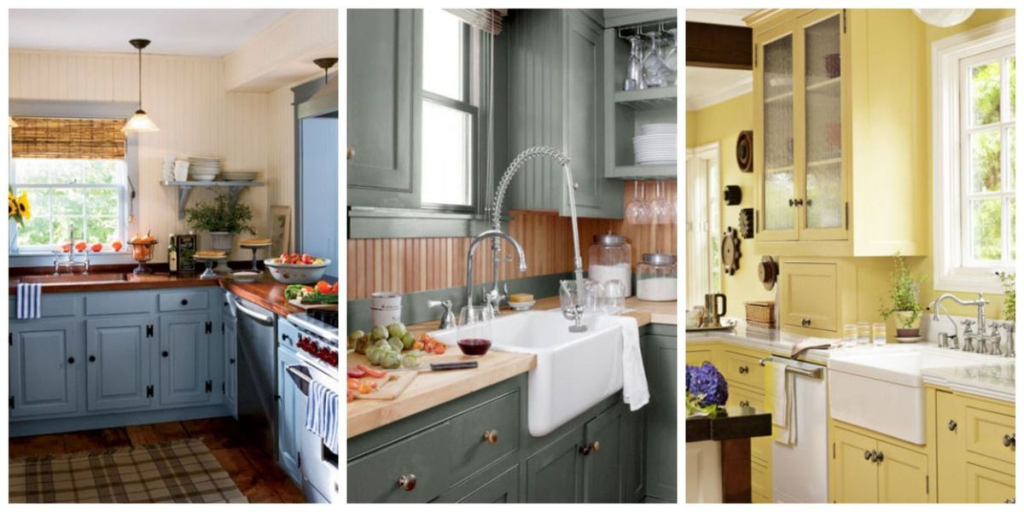
Colors influence mood and room appearance.
Some popular options include:
- White for brightness.
- Beige for warmth.
- Gray for sophistication.
- Blue for calmness.
- Green for freshness.
Neutral colors work well because they easily complement various furniture styles and accessories.
Step 4: Focus on Lighting
Lighting significantly affects the overall ambiance.
Combine different types of lighting:
- Natural lighting
- Ceiling lights
- Table lamps
- Floor lamps
- Accent lighting
Bright and balanced lighting makes rooms feel larger and more inviting.
Step 5: Select Functional Furniture
Furniture should combine comfort and practicality.
When choosing furniture:
- Measure room dimensions.
- Prioritize quality materials.
- Select versatile pieces.
- Avoid overcrowding spaces.
Multifunctional furniture is especially useful for small homes and apartments.
Step 6: Add Decorative Elements
Accessories bring personality into living spaces.
Popular decorative options include:
- Wall art
- Mirrors
- Rugs
- Indoor plants
- Decorative pillows
- Curtains
- Candles
These additions create warmth and visual interest without requiring major renovations.
Step 7: Maximize Storage
Storage solutions maintain cleanliness and organization.
Useful storage ideas include:
- Floating shelves
- Under-bed storage
- Built-in cabinets
- Basket organizers
- Multifunctional furniture
Organized rooms feel more spacious and relaxing.
Step 8: Create a Comfortable Layout
Furniture arrangement affects movement and convenience.
Remember these principles:
- Maintain walking space.
- Keep focal points visible.
- Avoid blocking windows.
- Arrange seating for conversation.
A balanced layout improves both appearance and functionality.
Step 9: Incorporate Natural Elements
Nature-inspired designs add freshness and tranquility.
Examples include:
- Wooden furniture
- Indoor plants
- Stone textures
- Natural fabrics
- Large windows
Natural elements create a calming and welcoming atmosphere.
Step 10: Personalize Your Space
Personal touches make a house feel like home.
You can display:
- Family photographs
- Artwork
- Souvenirs
- Handmade decorations
- Books and collections
These details showcase personality and create emotional connections.
Benefits of Home Design Ideas
Home design ideas provide numerous benefits:
- Improve comfort and functionality.
- Increase property value.
- Enhance visual appeal.
- Promote better organization.
- Maximize available space.
- Create relaxing environments.
- Reflect personal preferences.
- Encourage productivity.
- Improve mood and well-being.
- Make entertaining guests more enjoyable.
Thoughtful design can transform even small spaces into comfortable and attractive living areas.
Disadvantages and Risks
Although home improvement offers many advantages, certain challenges should be considered:
- Decorating costs can become expensive.
- Poor planning may lead to unnecessary purchases.
- Trend-based designs can quickly become outdated.
- Excessive decorations create clutter.
- Low-quality materials require frequent replacement.
- Improper layouts reduce functionality.
- Renovations may temporarily disrupt daily routines.
Understanding these risks helps homeowners make informed decisions and avoid costly mistakes.
Common Mistakes to Avoid
Many people make avoidable mistakes when applying home design ideas.
Ignoring Room Measurements
Buying furniture without measuring spaces often causes overcrowding and inconvenience.
Following Trends Blindly
Trends change quickly. Choose timeless designs that suit your personality and long-term preferences.
Using Too Many Colors
Excessive colors can make rooms appear chaotic. Maintaining a balanced color palette creates harmony.
Neglecting Lighting
Poor lighting affects comfort and room aesthetics. Layered lighting produces better results.
Overdecorating
Too many accessories create visual clutter. Simplicity often delivers a more elegant appearance.
Forgetting Storage Solutions
Insufficient storage causes disorganization. Smart storage keeps homes tidy and functional.
Prioritizing Appearance Over Comfort
Beautiful furniture should also provide comfort and practicality.
Frequently Asked Questions
What are the best home design ideas for small spaces?
Multifunctional furniture, mirrors, floating shelves, and light colors help maximize small spaces effectively.
How can I decorate my home on a budget?
You can repaint walls, rearrange furniture, add indoor plants, and use affordable decorative accessories to refresh your home without spending excessively.
Which colors make rooms appear larger?
White, cream, beige, and soft gray create an illusion of spaciousness and brightness.
How important is lighting in home design?
Lighting affects mood, functionality, and aesthetics. Combining natural and artificial lighting creates balanced and welcoming environments.
Should I follow current design trends?
Trends can inspire creativity, but timeless designs provide long-lasting appeal and better value.
How can I make my home feel cozy?
Soft textures, warm lighting, comfortable furniture, rugs, and personal decorations contribute to a cozy atmosphere.
Are indoor plants beneficial for interior design?
Yes. Indoor plants improve visual appeal, introduce natural elements, and create a refreshing environment.
Expert Tips and Bonus Points
Professional designers recommend several strategies for achieving better results.
- Start with one room at a time.
- Choose quality over quantity.
- Invest in durable furniture.
- Use mirrors to increase brightness.
- Maintain a consistent color palette.
- Mix textures for added depth.
- Introduce greenery throughout the house.
- Prioritize comfort and functionality.
- Keep spaces uncluttered.
- Incorporate personal touches.
Additionally, flexibility is important. Homes evolve over time, and design choices should adapt to changing needs and preferences.
Small improvements often create significant impacts. Replacing lighting fixtures, adding artwork, or rearranging furniture can dramatically transform a room without major renovations.
Conclusion
Creating beautiful and functional living spaces does not require professional expertise or unlimited budgets. With thoughtful planning and practical home design ideas, anyone can transform a house into a comfortable and stylish environment.
Successful design begins with understanding personal preferences and balancing aesthetics with functionality. Choosing suitable colors, investing in quality furniture, maximizing storage, and incorporating natural elements all contribute to a harmonious atmosphere. At the same time, avoiding common mistakes ensures better results and long-term satisfaction.
Every home tells a story. Personal decorations, family memories, and meaningful accessories add warmth and character that cannot be replicated. Therefore, designing a home should focus not only on trends but also on creating spaces that support happiness and everyday comfort.
Whether you are redesigning an entire house or making small updates, consistency and creativity are essential. Start gradually, prioritize your needs, and enjoy the process. With the right approach, these home design ideas can help you create a welcoming space that reflects your personality and enhances your quality of life for years to come.