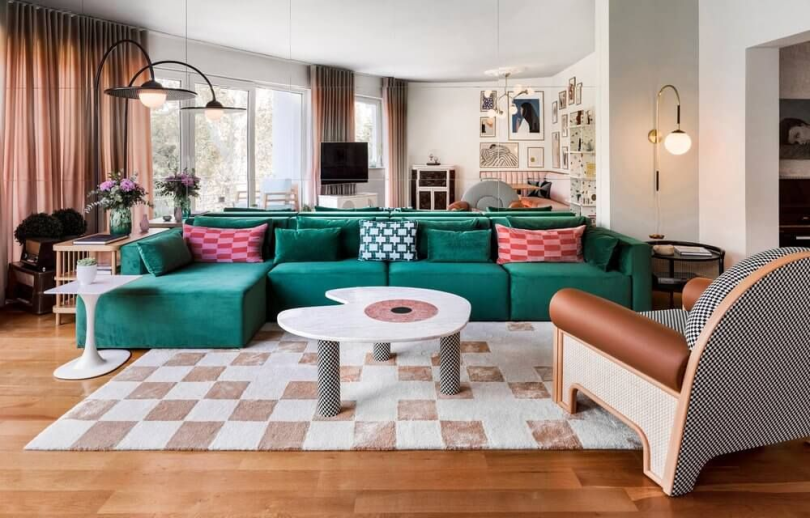

Introduction
Creating a beautiful home is about more than choosing attractive furniture or painting walls in trendy colors. A well-planned living space combines style, comfort, and functionality to improve everyday life. That is why understanding residential design tips can help homeowners make better decisions and create spaces that truly reflect their needs.
Whether you are building a new home, renovating an old property, or simply refreshing a room, smart design choices make a noticeable difference. Good planning helps maximize space, improve comfort, and increase property value. Even small changes can transform a home into a more inviting and efficient place.
Many people believe that residential design requires a huge budget or professional expertise. However, with the right approach, anyone can improve the appearance and functionality of their home. By focusing on layout, lighting, color schemes, and furniture placement, homeowners can create spaces that feel balanced and practical.
These residential design tips are suitable for beginners and intermediate homeowners who want to create attractive interiors and exteriors without unnecessary complications. Understanding the basics allows you to make informed choices and enjoy a home that looks beautiful and works perfectly for your lifestyle.
What is Residential Design Tips?
Residential design tips refer to practical ideas and strategies used to improve the appearance, comfort, and functionality of living spaces. They involve planning layouts, selecting materials, organizing furniture, and enhancing lighting to create harmonious environments.
These tips apply to every part of a home, including bedrooms, kitchens, living rooms, bathrooms, and outdoor areas. Their purpose is to combine aesthetics with usability, ensuring every area serves a meaningful function.
Modern residential design emphasizes simplicity, comfort, and efficient use of space. It focuses on creating homes that support everyday activities while maintaining visual appeal.
Why is Residential Design Important?
A thoughtfully designed home positively affects daily life. It influences comfort, productivity, and even emotional well-being. Good design creates organized environments that reduce stress and improve functionality.
Residential design tips are important because they help homeowners:
- Make better use of available space.
- Improve natural light and ventilation.
- Increase property value.
- Create a more comfortable atmosphere.
- Reflect personal style and preferences.
- Enhance energy efficiency.
For example, a well-designed kitchen allows easier movement and storage, while a properly arranged living room encourages relaxation and family interaction.
Detailed Step-by-Step Guide
Plan Your Space Carefully
Before buying furniture or decorating, analyze how each room will be used. Consider the size, traffic flow, and daily activities performed in the area.
Creating a simple floor plan helps avoid overcrowding and improves functionality.
Choose a Consistent Color Scheme
Colors influence mood and visual balance. Neutral shades create calm environments, while accent colors add personality.
Popular combinations include:
- White and gray.
- Beige and brown.
- Navy blue and white.
- Green and cream.
Using consistent colors throughout the house creates harmony and visual continuity.
Maximize Natural Light
Natural lighting makes rooms feel larger and more inviting. Large windows, mirrors, and light-colored walls help distribute sunlight effectively.
Avoid blocking windows with bulky furniture or heavy curtains.
Invest in Functional Furniture
Furniture should combine comfort and practicality. Multi-purpose pieces are especially useful in smaller homes.
Examples include:
- Storage beds.
- Foldable tables.
- Modular sofas.
- Built-in shelves.
These options save space while improving organization.
Focus on Proper Lighting
Different lighting layers create balance and enhance ambiance.
Consider using:
- Ambient lighting for overall brightness.
- Task lighting for work areas.
- Accent lighting for decoration.
Combining these sources adds depth and warmth to interiors.
Improve Storage Solutions
Clutter affects both appearance and functionality. Smart storage keeps rooms organized and visually appealing.
Useful storage ideas include:
- Floating shelves.
- Under-bed storage boxes.
- Wall cabinets.
- Hidden compartments.
- Built-in wardrobes.
Good organization creates a cleaner and more comfortable environment.
Add Texture and Materials
Mixing textures adds visual interest. Wood, glass, metal, and fabrics create balanced interiors with character.
For example, wooden flooring combined with soft rugs and metal lighting fixtures produces a modern and elegant appearance.
Decorate with Purpose
Decorative elements should complement the overall design instead of overwhelming it.
Consider adding:
- Indoor plants.
- Artwork.
- Decorative pillows.
- Mirrors.
- Area rugs.
Simple details often create the greatest impact.
Enhance Outdoor Spaces
Exterior areas deserve attention as well. Comfortable patios, gardens, and balconies expand living spaces and improve curb appeal.
Outdoor furniture, lighting, and greenery create relaxing environments for family gatherings.
Benefits of Residential Design Tips
Applying effective residential design tips offers many advantages:
- Improves comfort and functionality.
- Enhances visual appeal.
- Increases home value.
- Maximizes available space.
- Promotes better organization.
- Supports energy efficiency.
- Creates healthier living environments.
- Reflects individual style.
- Improves lighting and airflow.
- Reduces clutter and stress.
These benefits contribute to a more enjoyable and practical lifestyle.
Disadvantages and Risks
Although home improvement offers many rewards, certain challenges may arise.
- Poor planning can waste money.
- Excessive decoration may create clutter.
- Following trends blindly can lead to outdated designs.
- Incorrect furniture sizes affect functionality.
- Low-quality materials may require frequent replacement.
- Ignoring lighting reduces comfort.
- Lack of storage creates disorganization.
Careful planning helps minimize these risks and ensures long-term satisfaction.
Common Mistakes to Avoid
Many homeowners make design errors that affect both appearance and practicality.
One common mistake is overcrowding rooms with too much furniture. Leaving enough open space improves movement and comfort.
Ignoring lighting is another issue. Relying on a single light source often creates dark and uninviting spaces.
Choosing style over functionality can also become problematic. Beautiful furniture should still meet daily needs.
Another mistake involves inconsistent colors. Too many contrasting shades create visual confusion and disrupt harmony.
Neglecting storage solutions frequently leads to clutter. Organized spaces always appear more attractive and relaxing.
Finally, copying trends without considering personal preferences may result in spaces that feel uncomfortable and impractical.
FAQs
What are residential design tips?
Residential design tips are practical ideas that improve the appearance, comfort, and functionality of living spaces.
How can I make a small home look bigger?
Using light colors, mirrors, and multifunctional furniture creates the illusion of larger spaces while maximizing efficiency.
Which colors work best for modern homes?
Neutral colors such as white, gray, beige, and soft earth tones remain popular because they create calm and timeless interiors.
Why is lighting important in residential design?
Proper lighting improves visibility, highlights decorative features, and creates comfortable environments suitable for different activities.
How can I add personality to my home?
Artwork, plants, decorative accessories, and unique furniture pieces help express individual preferences and style.
Should I follow design trends?
Trends can provide inspiration, but timeless designs and personal preferences should guide major decisions for lasting satisfaction.
Expert Tips and Bonus Points
Professional designers often emphasize simplicity and functionality. Instead of filling rooms with unnecessary items, focus on quality and purpose.
Here are some useful suggestions:
- Start with a clear plan.
- Measure spaces before purchasing furniture.
- Use mirrors to reflect natural light.
- Add greenery for freshness.
- Prioritize comfort over trends.
- Combine textures for depth.
- Maintain consistent color palettes.
- Keep rooms clutter-free.
Another valuable tip is to invest gradually. Home design does not need to happen all at once. Small improvements over time often lead to better decisions and more satisfying results.
Conclusion
Creating a beautiful and functional home does not require complicated techniques or unlimited budgets. By following practical residential design tips, homeowners can transform ordinary spaces into comfortable environments that support everyday life. Thoughtful planning, smart furniture choices, balanced lighting, and effective storage solutions all contribute to better living experiences.
Every home is unique, and successful design reflects both personal preferences and practical needs. Rather than focusing solely on trends, it is important to create spaces that feel welcoming and functional for everyone who lives there. Small adjustments, such as improving lighting or reorganizing furniture, can have a significant impact on comfort and appearance.
These residential design tips provide a strong foundation for anyone looking to enhance their home. Whether updating a single room or redesigning an entire property, thoughtful choices lead to lasting results. A well-designed home not only looks attractive but also promotes relaxation, organization, and happiness. By combining creativity with functionality, anyone can create a living space that feels beautiful, practical, and truly enjoyable for years to come.