
Introduction
Modern Home Design has become one of the most popular approaches to creating comfortable and attractive living spaces. Homeowners today want interiors that combine beauty, practicality, and simplicity. As lifestyles continue to evolve, modern homes are designed to provide functionality without sacrificing style.
Unlike traditional styles, Modern Home Design focuses on clean lines, open spaces, and smart organization. It emphasizes comfort and efficiency while creating a welcoming atmosphere. Whether you are building a new house or renovating an existing one, understanding this design style can help you make better decisions.
Many beginners believe that achieving a modern look requires a huge budget. However, that is not always true. Thoughtful planning, smart furniture choices, and proper color combinations can transform any space into a contemporary masterpiece.
Modern Home Design also allows homeowners to personalize their interiors according to their needs. From minimalist bedrooms to elegant kitchens and spacious living rooms, every area can reflect modern aesthetics while remaining practical.
This guide explains everything you need to know, including the meaning of modern design, its importance, practical steps, benefits, common mistakes, and expert tips. By the end, you will have a clear understanding of how to create a beautiful and functional modern home.
What is Modern Home Design?
Modern Home Design is a design approach that focuses on simplicity, functionality, and clean aesthetics. It avoids excessive decorations and instead highlights organized spaces, natural lighting, and quality materials.
Modern interiors often include:
- Open floor plans
- Neutral color palettes
- Large windows
- Minimal decorations
- Functional furniture
- Natural materials such as wood and stone
- Smart storage solutions
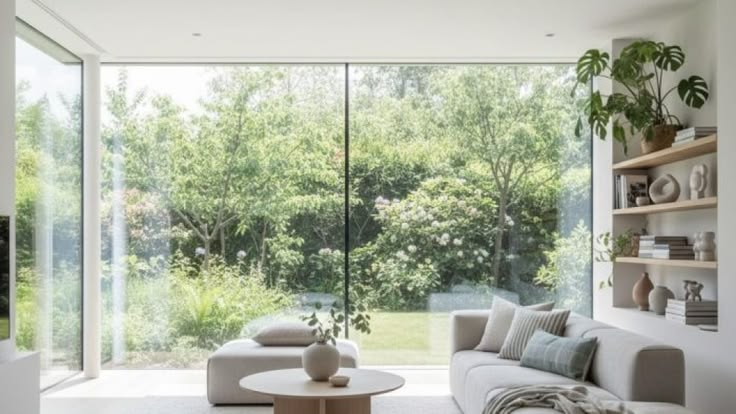
For example, a modern living room may feature a comfortable sofa, simple coffee table, large windows, and subtle decorative pieces instead of overcrowded shelves and heavy furniture.
The purpose of Modern Home Design is to create spaces that feel open, relaxing, and easy to maintain.
Why is Modern Home Design Important?
Modern Home Design is important because it improves both appearance and functionality. A well-designed home supports daily activities while creating a pleasant environment for family members.
Several reasons explain its popularity:
- It makes spaces appear larger.
- It improves comfort and organization.
- It enhances natural lighting.
- It increases property value.
- It creates a peaceful atmosphere.
- It supports modern lifestyles.
Additionally, modern homes often use energy-efficient features that reduce electricity costs and support sustainable living.
Families appreciate this design because it combines practicality with elegance. Instead of focusing only on decoration, modern interiors prioritize convenience and everyday comfort.
Detailed Step-by-Step Guide
Step 1: Define Your Design Goals
Before starting any project, identify your needs and preferences.
Consider questions such as:
- How many people live in the house?
- Which rooms need improvement?
- What style do you prefer?
- What is your available budget?
Having clear goals helps avoid unnecessary expenses and confusion.
Step 2: Choose a Neutral Color Palette
Colors play a major role in Modern Home Design.
Popular choices include:
- White
- Beige
- Gray
- Soft brown
- Light cream
Neutral shades create a calm atmosphere and make rooms appear brighter and larger.
You can add personality through accent colors such as blue, green, or black without overwhelming the space.
Step 3: Maximize Natural Light
\
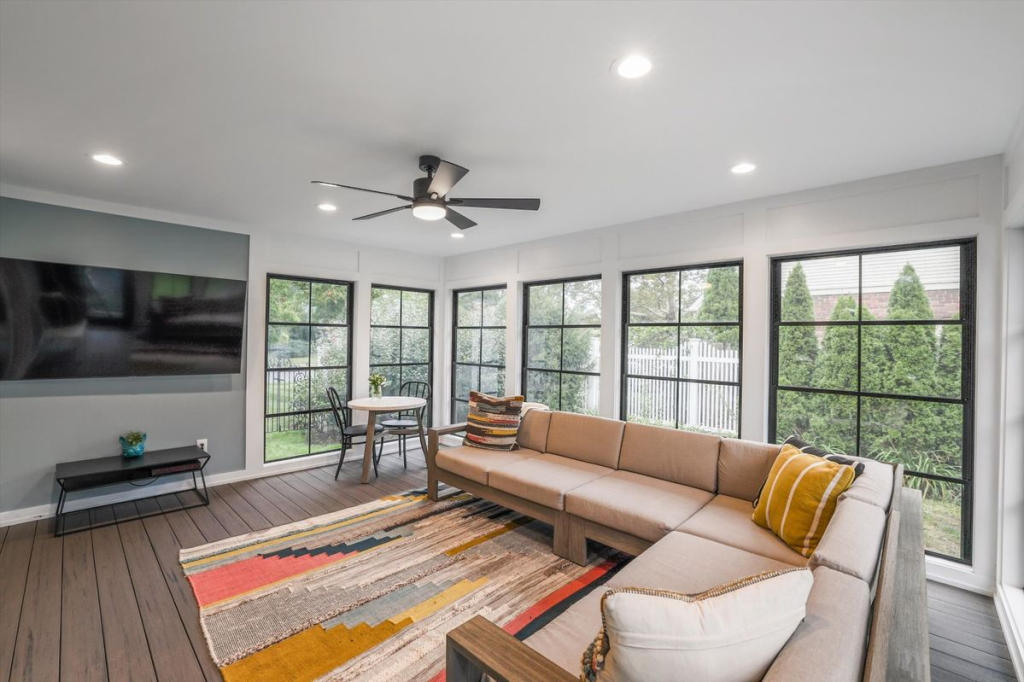
Natural light makes interiors feel fresh and spacious.
Ways to improve lighting include:
- Installing large windows
- Using sheer curtains
- Adding mirrors
- Keeping spaces uncluttered
- Choosing light-colored walls
Bright interiors create a welcoming and relaxing environment.
Step 4: Select Functional Furniture
Furniture should provide both beauty and practicality.
Examples include:
- Storage beds
- Extendable dining tables
- Modular sofas
- Multi-purpose cabinets
Avoid overcrowding rooms with unnecessary items. Simplicity remains a key element of Modern Home Design.
Step 5: Create Open Spaces
Modern layouts emphasize openness.
To achieve this:
- Remove unnecessary partitions.
- Keep walkways clear.
- Arrange furniture strategically.
- Maintain visual balance.
Open spaces encourage better communication and create a comfortable atmosphere.
Step 6: Use High-Quality Materials
Durable materials improve appearance and longevity.
Common materials include:
- Wood
- Glass
- Marble
- Stainless steel
- Stone
Combining these materials creates a sophisticated and timeless look.
Step 7: Add Smart Storage Solutions
Storage is essential for maintaining organization.
Useful ideas include:
- Built-in shelves
- Hidden cabinets
- Wall-mounted units
- Under-bed storage
- Multi-functional furniture
Good storage prevents clutter and supports a clean environment.
Step 8: Incorporate Decorative Elements
Although simplicity is important, decorations add warmth and personality.
Popular options include:
- Indoor plants
- Abstract artwork
- Decorative pillows
- Rugs
- Table lamps
Choose accessories carefully to avoid excessive decoration.
Step 9: Upgrade the Kitchen
Modern kitchens focus on efficiency and elegance.
Important features include:
- Simple cabinets
- Stone countertops
- Energy-efficient appliances
- Adequate lighting
- Organized storage
A functional kitchen improves daily life and enhances home value.
Step 10: Create Comfortable Bedrooms
Bedrooms should promote relaxation.
Consider:
- Comfortable bedding
- Neutral colors
- Soft lighting
- Minimal furniture
- Smart storage
A peaceful bedroom contributes to better sleep and overall well-being.
Benefits of Modern Home Design
Modern Home Design offers numerous advantages:
- Creates visually appealing spaces.
- Improves organization and cleanliness.
- Enhances comfort and functionality.
- Maximizes natural lighting.
- Increases property value.
- Supports energy efficiency.
- Reduces unnecessary clutter.
- Provides timeless elegance.
- Encourages stress-free living.
- Makes maintenance easier.
These benefits explain why many homeowners prefer contemporary interiors over traditional styles.
Disadvantages and Risks
Despite its advantages, Modern Home Design also has some challenges.
- High-quality materials may be expensive.
- Minimalism may feel cold to some people.
- Large windows require regular cleaning.
- Renovations can become costly.
- Following trends excessively may lead to outdated designs.
- Open layouts may reduce privacy.
- Poor planning can create empty-looking spaces.
Understanding these disadvantages helps homeowners make better decisions.
Common Mistakes to Avoid
Many people make mistakes when designing modern interiors.
One common mistake is buying too much furniture. Overcrowded rooms lose the simplicity that defines Modern Home Design.
Another mistake is ignoring lighting. Even beautiful furniture cannot compensate for poor illumination.
Choosing trendy designs without considering practicality can also create problems. Trends change quickly, but functionality remains important.
Some homeowners neglect storage, leading to clutter and disorganization.
Mixing too many colors and patterns can create visual chaos. Maintaining balance is essential.
Low-quality materials may save money initially, but they often require replacement sooner.
Proper planning prevents these issues and ensures lasting satisfaction.
FAQs
1. What makes Modern Home Design different from traditional design?
Modern Home Design emphasizes simplicity, functionality, and clean lines, while traditional design often includes decorative details and heavier furniture.
2. Is Modern Home Design expensive?
Not necessarily. Careful planning and smart furniture choices can help create a modern look within various budgets.
3. Which colors are best for modern interiors?
Neutral shades such as white, gray, beige, and cream are popular because they create bright and elegant spaces.
4. Can small homes use modern design principles?
Yes. Modern Home Design works especially well in small spaces because it focuses on organization, simplicity, and efficient layouts.
5. Are indoor plants suitable for modern homes?
Absolutely. Plants add freshness, improve air quality, and bring natural beauty into living spaces.
6. How can I make my home look modern without renovating?
Simple changes can make a significant difference. Update lighting, choose neutral colors, remove clutter, and add modern furniture pieces.
7. Why is storage important in modern interiors?
Storage keeps spaces organized and prevents clutter. A clean environment contributes to the overall beauty and functionality of the home.
Expert Tips and Bonus Points
Professionals recommend focusing on quality instead of quantity.
Here are some expert suggestions:
- Invest in durable furniture.
- Keep decorations simple.
- Use mirrors to enhance brightness.
- Incorporate natural textures.
- Add plants for freshness.
- Prioritize comfort over trends.
- Use layered lighting for better ambiance.
- Maintain balance between style and practicality.
- Choose timeless designs for long-term value.
- Create spaces that reflect your personality.
Smart technology can also enhance Modern Home Design. Features such as automated lighting and energy-efficient appliances improve convenience and reduce utility costs.
Consistency is another important factor. Maintaining a unified style throughout the home creates harmony and visual appeal.
Conclusion
Modern Home Design offers the perfect combination of beauty, comfort, and functionality. Its emphasis on simplicity, organization, and practical living makes it suitable for families, professionals, and individuals who value efficient spaces. Whether you are designing a new home or updating an existing one, modern principles can help create environments that feel welcoming and stylish.
From selecting neutral colors and maximizing natural light to choosing functional furniture and incorporating smart storage, every detail contributes to a harmonious living experience. Modern interiors are not only visually appealing but also easy to maintain and adaptable to changing lifestyles.
Although there are some challenges, proper planning and thoughtful decisions can overcome most obstacles. Focusing on quality materials, balanced layouts, and practical solutions ensures long-lasting satisfaction.
Ultimately, Modern Home Design is more than just a trend. It represents a lifestyle centered on comfort, simplicity, and efficiency. By applying the ideas discussed in this guide, you can transform your living space into a beautiful home that reflects your personality while supporting your daily needs.