
Introduction
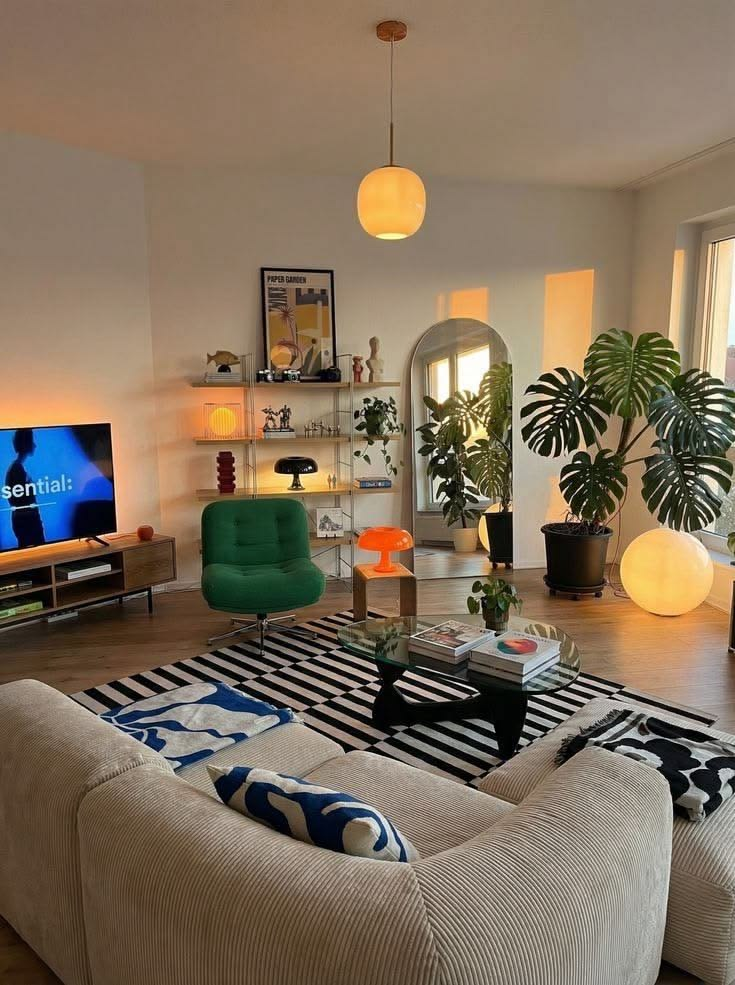
Urban living trends are reshaping how people live, work, and interact in modern cities. As populations continue to grow and technology becomes deeply integrated into daily life, cities are evolving into smarter, more connected environments. These changes are not just about skyscrapers or transportation systems; they influence lifestyle choices, housing patterns, work habits, and even social interactions.
In recent years, urban living trends have accelerated due to digital transformation, remote work culture, and increasing demand for convenience. People now prefer compact homes, shared spaces, and smart technologies that make life easier and more efficient. Cities are also focusing on sustainability, green energy, and improved infrastructure to support growing populations.
Understanding urban living trends is important because they affect everyone living in or moving to cities. Whether you are a student, professional, or family, these trends shape your daily routine and long-term lifestyle decisions. From smart homes to eco-friendly transportation, urban life is becoming more dynamic and adaptable than ever before.
In this article, we will explore what urban living trends are, why they matter, how they are evolving, their benefits and challenges, and expert insights to help you understand modern city life in a practical way.
What is Urban Living Trends?
Urban living trends refer to the evolving patterns, behaviors, and lifestyle changes that occur in city environments. These trends are driven by population growth, technological advancements, economic shifts, and cultural changes.
In simple terms, urban living trends describe how people adapt their lifestyles to modern city conditions. This includes housing preferences, transportation methods, work environments, entertainment choices, and sustainability practices.
For example, more people are moving toward apartment living instead of traditional houses due to convenience and affordability. Similarly, shared workspaces and remote jobs are becoming more common, reducing the need for daily commuting.
Urban living trends also include the rise of smart cities, where technology is used to improve public services such as traffic management, waste disposal, and energy consumption. These innovations aim to make cities more efficient and livable.
Another key aspect is the shift toward sustainable living. People are now more aware of environmental issues and prefer eco-friendly solutions like electric vehicles, recycling systems, and energy-efficient buildings.
Overall, urban living trends represent the continuous transformation of city life to meet modern needs and expectations.
Why is Urban Living Trends Important?
Urban living trends are important because they directly influence quality of life, economic growth, and environmental sustainability.
First, they help cities become more efficient. As populations grow, cities must adapt to provide better housing, transportation, and public services. Urban living trends guide this transformation by introducing smarter solutions.
Second, they improve lifestyle quality. Modern urban designs focus on convenience, safety, and accessibility. From faster internet to improved public transport, these trends make daily life easier.
Third, urban living trends support sustainability. Cities are major contributors to pollution, but new trends promote green energy, reduced waste, and eco-friendly infrastructure. This helps protect the environment for future generations.
Fourth, they encourage innovation. As cities evolve, new technologies and business models emerge. This creates job opportunities and boosts economic development.
Lastly, these trends help people adapt to changing social structures. With increasing migration to cities, urban living trends ensure smoother integration and better living conditions for diverse populations.
Detailed Step-by-Step Guide
Step 1 – Understanding Your Urban Environment
Before adapting to urban living trends, observe your city’s structure, transport systems, housing options, and lifestyle demands. Understanding your environment helps you make better living decisions.
Step 2 – Choosing Smart Housing Options
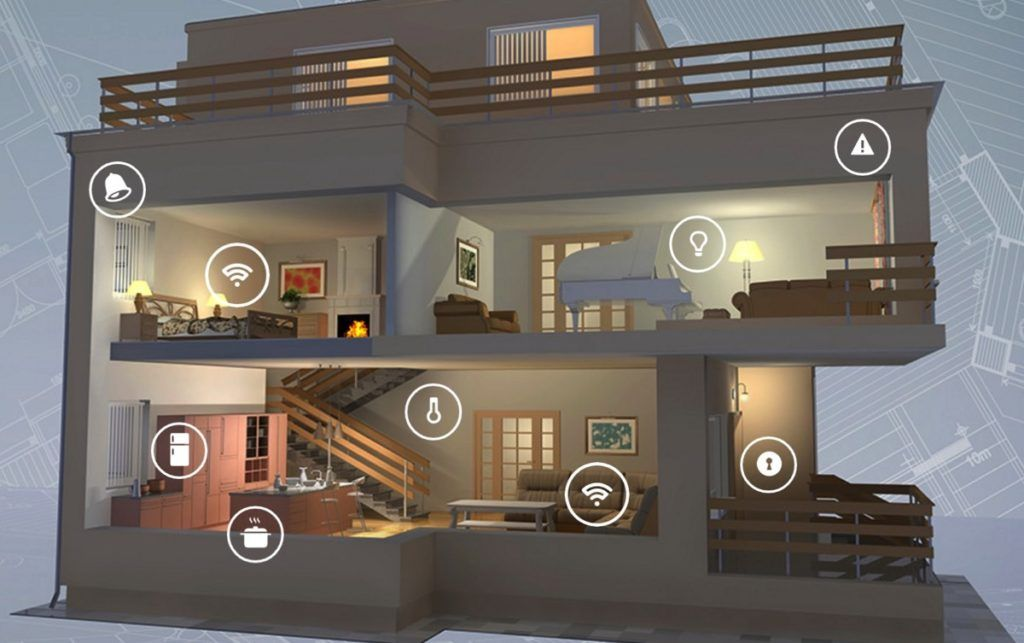
Modern urban living favors compact apartments, co-living spaces, and smart homes. Look for housing that offers security, connectivity, and accessibility to essential services.
Step 3 – Adopting Digital Tools
Use mobile apps and digital platforms for transportation, food delivery, banking, and communication. Digital tools are central to urban living trends.
Step 4 – Embracing Sustainable Habits
Reduce waste, recycle materials, and use energy-efficient appliances. Sustainable habits are a key part of modern urban life.
Step 5 – Using Public and Shared Transport
Instead of relying on private vehicles, use buses, trains, ride-sharing, or cycling. This reduces traffic congestion and pollution.
Step 6 – Engaging in Community Living
Participate in community events and shared spaces. Urban living trends emphasize social connectivity and collaboration.
Step 7 – Balancing Work and Life
With remote work and flexible schedules, maintaining a healthy balance is essential. Create routines that support productivity and relaxation.
Benefits of Urban Living Trends
- Improved access to modern facilities and services
- Better job opportunities and economic growth
- Enhanced transportation systems and connectivity
- Increased use of smart technology in daily life
- Promotion of sustainable and eco-friendly living
- More diverse cultural and social interactions
- Efficient use of space through compact housing
- Better healthcare and educational facilities
Disadvantages / Risks
- High cost of living in major cities
- Overcrowding and traffic congestion
- Increased pollution levels in some areas
- Stressful and fast-paced lifestyle
- Limited personal space in compact housing
- Dependence on technology for basic tasks
- Social isolation despite population density
- Risk of housing shortages in growing cities
Common Mistakes to Avoid
One common mistake is ignoring financial planning. Many people move to cities without budgeting properly for high living costs.
Another mistake is over-reliance on technology. While digital tools are helpful, complete dependence can reduce practical life skills.
People also often neglect work-life balance, leading to stress and burnout in fast-paced urban environments.
Ignoring sustainability is another issue. Not adopting eco-friendly habits can increase environmental impact.
Lastly, failing to adapt to community living can lead to social isolation in densely populated cities.
FAQs
1. What are urban living trends?
Urban living trends are changes in lifestyle, housing, and behavior patterns in modern cities influenced by technology and population growth.
2. Why are urban living trends increasing?
They are increasing due to urbanization, better job opportunities, and advancements in technology that support city life.
3. How do urban living trends affect daily life?
They impact housing choices, transportation, work habits, and social interactions in cities.
4. Are urban living trends sustainable?
Many trends focus on sustainability, such as green buildings and eco-friendly transport, making cities more environmentally responsible.
5. What is the biggest challenge of urban living?
The biggest challenge is often the high cost of living combined with overcrowding and stress.
6. How can I adapt to urban living trends?
You can adapt by using smart technology, choosing efficient housing, practicing sustainability, and managing your lifestyle effectively.
Expert Tips & Bonus Points
Experts suggest focusing on minimalism in urban life to reduce stress and improve efficiency. Keeping your living space simple and organized can significantly improve mental clarity.
Another tip is to invest in digital skills, as most urban systems rely heavily on technology.
Experts also recommend using shared services whenever possible to reduce costs and environmental impact.
Additionally, maintaining physical and mental health should be a priority in fast-paced city environments. Regular exercise and breaks from digital devices are essential.
Finally, always stay informed about new urban developments, as cities evolve rapidly and new opportunities emerge frequently.
Conclusion
Urban living trends are shaping the future of modern society in powerful ways. As cities continue to grow and evolve, these trends influence how people live, work, and interact with their environment. From smart housing solutions to sustainable transportation systems, urban life is becoming more efficient and interconnected.
Understanding these trends is essential for anyone living in or planning to move to a city. They not only affect daily comfort but also long-term financial and lifestyle decisions. While urban living offers many benefits such as better opportunities and advanced infrastructure, it also comes with challenges like high costs and fast-paced routines.
However, with the right approach, individuals can successfully adapt to urban environments and enjoy a balanced lifestyle. Embracing technology, sustainability, and community living can significantly improve the overall urban experience.
As the world continues to urbanize, these trends will only become more important, shaping the future of how humanity lives in cities.