
Introduction
Owning a home or commercial building comes with responsibilities. One of the most important responsibilities is property maintenance. Whether you own a house, apartment, rental unit, or office building, regular care helps preserve its value and ensures safety.
Many people ignore small issues until they become expensive problems. A leaking pipe, damaged roof, or faulty electrical system can quickly turn into major repairs. This is why proper property maintenance should never be overlooked.
Regular inspections and preventive measures help owners save money and avoid unexpected emergencies. In addition, well-maintained properties provide comfort, improve appearance, and create a positive impression on visitors and tenants.
Beginners often assume that maintenance is difficult or costly. However, with a clear plan and regular attention, anyone can keep a property in good condition. Small tasks completed on time can prevent larger expenses in the future.
This guide explains everything you need to know about property maintenance. From understanding its importance to learning practical maintenance steps, you will discover how to protect your investment and keep your property functioning efficiently for years.
What is Property Maintenance?
Property maintenance refers to the ongoing process of inspecting, repairing, cleaning, and improving a property to keep it safe, functional, and attractive.
It includes various tasks such as:
- Plumbing repairs
- Electrical inspections
- Roof maintenance
- Landscaping
- Cleaning and sanitation
- HVAC servicing
- Painting and renovations
Property maintenance applies to residential, commercial, and rental properties. The goal is to prevent damage, increase longevity, and maintain the property’s market value.
For example, replacing damaged roof shingles immediately prevents water leaks and expensive structural repairs later.
Why is Property Maintenance Important?
Property maintenance plays a major role in preserving investments and avoiding unnecessary expenses.
Here are some reasons why it matters:
- Prevents costly repairs.
- Maintains property value.
- Improves safety for occupants.
- Increases energy efficiency.
- Enhances curb appeal.
- Keeps systems functioning properly.
- Creates a comfortable living environment.
- Helps comply with local regulations.
Imagine owning a rental property. Regular inspections and maintenance ensure tenant satisfaction and reduce vacancy rates.
Moreover, preventive care always costs less than emergency repairs.
Detailed Step-by-Step Guide
Step 1: Conduct Regular Inspections
Routine inspections help identify problems before they become serious.
Check the following:
- Roof condition
- Plumbing fixtures
- Electrical outlets
- Doors and windows
- Walls and ceilings
- Exterior surfaces
Monthly inspections are ideal for detecting hidden issues early.
Step 2: Maintain Plumbing Systems
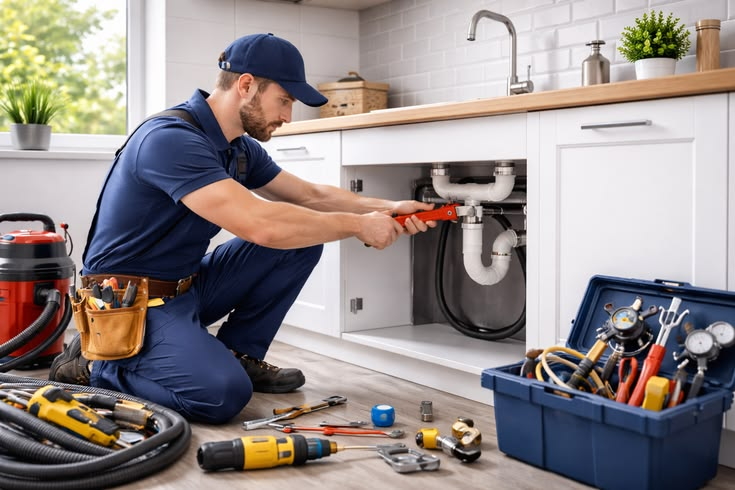
Water leaks can cause severe structural damage.
Important plumbing tasks include:
- Inspect pipes regularly.
- Repair dripping faucets.
- Clean drains.
- Check water pressure.
- Replace damaged fixtures.
For example, fixing a leaking pipe immediately prevents mold growth and water damage.
Step 3: Inspect Electrical Components
Electrical problems can create safety hazards.
Property maintenance should include:
- Testing outlets.
- Inspecting wiring.
- Replacing damaged switches.
- Checking circuit breakers.
- Examining lighting fixtures.
If major issues appear, contact a licensed electrician.
Step 4: Service Heating and Cooling Systems
HVAC systems require regular attention for maximum efficiency.
Maintenance tasks include:
- Replacing filters.
- Cleaning vents.
- Inspecting thermostats.
- Servicing air conditioners.
- Checking heating units.
Proper servicing improves indoor comfort and reduces energy costs.
Step 5: Care for the Roof
Roof damage often goes unnoticed until leaks appear.
Inspect for:
- Missing shingles
- Cracks
- Water stains
- Clogged gutters
- Debris accumulation
Cleaning gutters regularly prevents water buildup and foundation problems.
Step 6: Maintain Exterior Areas
The exterior creates the first impression of any property.
Tasks include:
- Mowing lawns
- Trimming trees
- Pressure washing surfaces
- Cleaning driveways
- Repairing fences
Good landscaping also boosts property value.
Step 7: Paint and Repair Surfaces
Paint protects walls from moisture and wear.
Look for:
- Peeling paint
- Cracks
- Rust spots
- Water stains
Repainting every few years improves appearance and durability.
Step 8: Check Doors and Windows
Damaged windows and doors affect insulation and security.
Inspect:
- Locks
- Hinges
- Weather stripping
- Glass panes
- Frames
Replacing worn seals improves energy efficiency.
Step 9: Prevent Pest Problems
Pests can damage structures and create health risks.
Prevent infestations by:
- Sealing cracks.
- Eliminating standing water.
- Keeping areas clean.
- Storing food properly.
- Scheduling pest inspections.
Early prevention saves money and protects occupants.
Step 10: Create a Maintenance Schedule
Consistency is essential in property maintenance.
Divide tasks into:
- Daily maintenance
- Weekly cleaning
- Monthly inspections
- Seasonal servicing
- Annual repairs
A schedule helps prevent overlooked issues.
Benefits of Property Maintenance
Regular property maintenance offers several advantages:
- Extends the life of buildings and systems.
- Reduces emergency repair costs.
- Increases property value.
- Enhances visual appeal.
- Improves safety conditions.
- Boosts energy efficiency.
- Prevents water damage.
- Maintains indoor comfort.
- Increases tenant satisfaction.
- Protects long-term investments.
For instance, annual HVAC servicing can significantly lower utility bills while improving performance.
Disadvantages / Risks
Despite its importance, property maintenance has certain challenges.
- Maintenance costs can add up.
- Some repairs require professional services.
- Neglected tasks may become expensive emergencies.
- Unexpected breakdowns can occur.
- Time and planning are necessary.
- Seasonal weather may cause sudden damage.
- Poor workmanship can create bigger problems.
However, these risks are manageable through preventive care and proper planning.
Common Mistakes to Avoid
Many property owners make mistakes that lead to expensive repairs.
Ignoring Small Problems
Minor leaks and cracks often develop into major issues if left untreated.
Skipping Inspections
Regular inspections reveal hidden problems early.
Delaying Repairs
Postponing maintenance usually increases repair costs.
Forgetting Seasonal Tasks
Winter and summer conditions affect property systems differently.
Hiring Unqualified Contractors
Cheap services sometimes result in poor workmanship.
Neglecting Gutters
Blocked gutters can cause roof leaks and foundation damage.
Failing to Keep Records
Maintenance records help track repairs and future needs.
Avoiding these mistakes improves property performance and longevity.
FAQs
What is property maintenance?
Property maintenance involves inspecting, repairing, cleaning, and improving a property to keep it safe and functional. It includes plumbing, electrical work, landscaping, and preventive care.
How often should property maintenance be performed?
Basic inspections should occur monthly, while major systems such as HVAC units should receive annual servicing. Seasonal maintenance is also recommended.
Why is preventive maintenance important?
Preventive maintenance helps identify issues before they become expensive problems. It reduces repair costs and extends the life of property systems.
Can property maintenance increase property value?
Yes. A well-maintained property attracts buyers and tenants while preserving market value over time.
Should I hire professionals for maintenance tasks?
Simple tasks can be handled personally, but electrical, roofing, and major plumbing work should be completed by qualified professionals.
What are the most important areas to inspect?
Focus on roofing, plumbing, electrical systems, heating and cooling units, windows, doors, and drainage systems.
How can I reduce maintenance expenses?
Regular inspections, prompt repairs, and preventive measures help minimize long-term costs.
Expert Tips & Bonus Points
Experts recommend following these practical strategies:
- Create a yearly maintenance checklist.
- Keep emergency repair funds available.
- Replace HVAC filters regularly.
- Inspect roofs after storms.
- Seal gaps around windows and doors.
- Use quality materials for repairs.
- Maintain records of all maintenance work.
- Schedule professional inspections annually.
- Upgrade old fixtures for better efficiency.
- Address small issues immediately.
For example, replacing worn weather stripping costs very little but can save significant energy expenses throughout the year.
Another useful tip is to prioritize preventive maintenance instead of waiting for systems to fail. This approach saves time and money while improving property performance.
Owners of rental properties should communicate with tenants regularly to identify maintenance concerns quickly. Early reporting prevents major damage and improves tenant satisfaction.
Conclusion
Property maintenance is one of the most valuable investments a property owner can make. Consistent care protects buildings, reduces repair expenses, and ensures a safe and comfortable environment. Whether you own a family home, rental property, or commercial building, preventive maintenance should always remain a priority.
Small problems often become expensive repairs when ignored. Therefore, regular inspections and timely repairs are essential. Creating a maintenance schedule allows owners to stay organized and address issues before they worsen.
In addition, property maintenance enhances appearance and preserves property value. Well-maintained buildings attract buyers, impress visitors, and provide better living conditions. From plumbing and electrical systems to landscaping and roofing, every area deserves proper attention.
Although maintenance requires effort and occasional expenses, the long-term rewards are much greater. Preventive care saves money, improves efficiency, and extends the lifespan of important systems.
By following the steps and expert tips outlined in this guide, beginners and experienced owners alike can develop effective property maintenance habits. With consistent attention and proper planning, your property can remain safe, attractive, and valuable for many years to come.