
Introduction
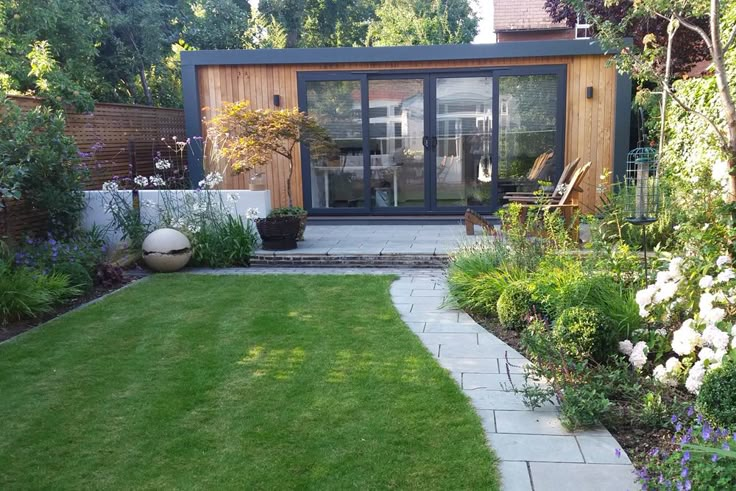
Landscape Design is one of the most effective ways to transform ordinary outdoor spaces into beautiful and functional environments. Whether you have a small backyard, a spacious garden, or a front yard that needs improvement, thoughtful planning can make a huge difference. A well-designed landscape creates balance, improves comfort, and increases visual appeal.
Many people assume that Landscape Design requires professional skills and expensive materials. However, beginners and intermediate homeowners can achieve excellent results with proper planning and simple techniques. Every outdoor space has unique characteristics, and understanding those features helps create a layout that suits personal needs and preferences.
Moreover, Landscape Design contributes to a healthier lifestyle. It encourages outdoor activities, creates relaxing spaces, and strengthens the connection between people and nature. Modern designs also focus on sustainability, water conservation, and low-maintenance solutions.
With the right approach, anyone can create an attractive outdoor environment that combines beauty with practicality. This guide explains everything you need to know, from understanding the basics to avoiding common mistakes and applying expert recommendations.
What is Landscape Design?
Landscape Design is the process of planning, arranging, and improving outdoor spaces to create visually appealing and functional environments. It combines plants, lawns, pathways, lighting, furniture, water features, and decorative elements into one balanced design.
The goal of Landscape Design is not only to make a property look attractive but also to improve usability. A well-planned outdoor area can provide spaces for relaxation, entertainment, gardening, and family activities.
Different styles are available according to personal taste. Some people prefer modern landscapes with clean lines, while others enjoy natural or cottage-inspired designs. Regardless of style, the purpose remains the same: creating harmony and maximizing outdoor potential.
Why is Landscape Design Important?
Landscape Design plays an important role in improving the appearance and functionality of outdoor areas. A beautiful landscape creates positive first impressions and increases property value.
Furthermore, Landscape Design makes outdoor living more enjoyable. Families can relax, host gatherings, or spend quality time surrounded by nature. Proper placement of trees and shrubs also provides shade and privacy.
Environmental benefits are equally important. Plants improve air quality, support wildlife, and reduce heat around homes. Smart designs help conserve water and minimize maintenance costs.
Another advantage is emotional well-being. Attractive outdoor surroundings create peaceful environments that help reduce stress and promote relaxation.
Detailed Step-by-Step Guide
Step 1: Analyze the Space
Begin by studying the available area. Observe sunlight, soil conditions, drainage patterns, and existing features. Understanding these elements helps avoid future problems.
Measure the dimensions carefully and identify areas that receive full sun, partial shade, or complete shade.
Step 2: Define Your Goals
Determine the purpose of the space. Ask yourself questions such as:
- Do you want an entertainment area?
- Do you need a play space for children?
- Are you interested in gardening?
- Do you want more privacy?
Clear objectives simplify the planning process.
Step 3: Choose a Style
Selecting a design style creates consistency. Popular options include:
- Modern landscapes
- Tropical gardens
- Cottage gardens
- Minimalist designs
- Mediterranean landscapes
- Japanese-inspired gardens
Choose a style that complements the architecture of your home.
Step 4: Create a Layout
Sketch the landscape on paper. Include:
- Lawns
- Flower beds
- Walkways
- Patios
- Seating areas
- Water features
Simple drawings help visualize the final appearance and prevent costly mistakes.
Step 5: Select Suitable Plants
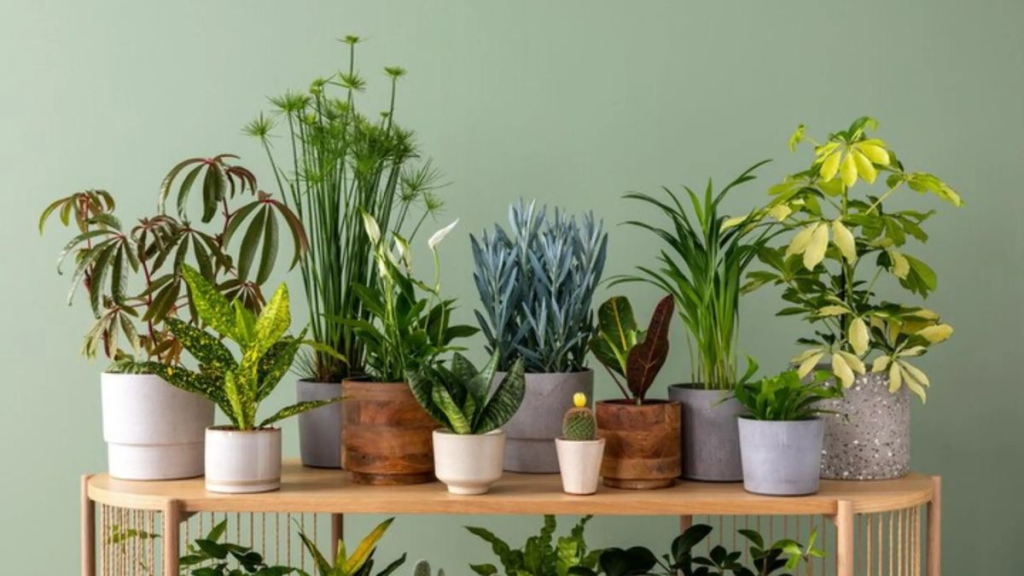
Plant selection is a major part of Landscape Design. Consider:
- Climate conditions
- Soil type
- Water requirements
- Sunlight exposure
- Maintenance needs
Native plants are often easier to maintain and more resistant to local weather conditions.
Step 6: Add Hardscape Features
Hardscape elements provide structure and improve functionality. Examples include:
- Stone pathways
- Patios
- Decks
- Retaining walls
- Pergolas
- Fences
These features add visual interest and create defined spaces.
Step 7: Install Outdoor Lighting
Lighting improves safety and enhances beauty during the evening.
Common lighting options include:
- Path lights
- Spotlights
- Garden lights
- Deck lighting
- Accent lighting
Soft illumination creates a warm and inviting atmosphere.
Step 8: Consider Water Features
Water features bring movement and tranquility to outdoor spaces.
Popular choices include:
- Fountains
- Small ponds
- Waterfalls
- Bird baths
Even simple water features can become attractive focal points.
Step 9: Plan Irrigation
Efficient watering systems help maintain healthy plants while reducing waste.
Common options include:
- Drip irrigation
- Sprinkler systems
- Manual watering
- Rainwater collection systems
Proper irrigation saves time and resources.
Step 10: Maintain the Landscape
Regular maintenance keeps the landscape attractive and healthy.
Essential tasks include:
- Pruning
- Weeding
- Fertilizing
- Mowing
- Cleaning pathways
- Inspecting irrigation systems
Consistent care prevents small issues from becoming major problems.
Benefits of Landscape Design
Landscape Design offers numerous advantages:
- Improves curb appeal.
- Increases property value.
- Creates relaxing outdoor spaces.
- Enhances privacy.
- Provides shade and cooling.
- Supports biodiversity.
- Improves air quality.
- Encourages outdoor activities.
- Reduces stress.
- Makes entertaining easier.
- Creates safe walking areas.
- Adds visual beauty.
- Promotes healthier living.
- Conserves water when planned properly.
- Increases overall comfort.
Disadvantages and Risks
Although Landscape Design provides many benefits, there are some challenges:
- Initial costs may be expensive.
- Certain plants require ongoing maintenance.
- Poor drainage can damage plants.
- Incorrect plant selection causes problems.
- Extreme weather affects landscapes.
- Overdesigning creates clutter.
- Pest infestations may occur.
- Watering requirements can increase expenses.
- Lack of planning leads to wasted resources.
- Neglected landscapes lose their appearance.
Understanding these risks helps homeowners make better decisions.
Common Mistakes to Avoid
Many beginners make avoidable mistakes when starting Landscape Design projects.
Ignoring Planning
Purchasing plants without a plan often creates overcrowded spaces. Proper layouts save time and money.
Choosing the Wrong Plants
Some species require conditions that are not suitable for every region. Always select plants that match local climates.
Overwatering
Excessive watering damages roots and encourages diseases. Balanced irrigation keeps plants healthy.
Forgetting Maintenance
Even beautiful landscapes require regular care. Neglecting maintenance results in weeds and unhealthy growth.
Using Too Many Colors
Too many contrasting colors can create visual confusion. Repeating similar shades creates harmony.
Ignoring Seasonal Changes
Certain plants only look attractive during specific seasons. Combining evergreen plants with seasonal flowers ensures year-round appeal.
Poor Lighting Placement
Improper lighting reduces effectiveness and wastes energy. Position lights strategically for safety and beauty.
Overcrowding
Plants need adequate space for healthy growth. Crowded arrangements eventually become difficult to maintain.
FAQs
What is the main purpose of Landscape Design?
The main purpose of Landscape Design is to create attractive and functional outdoor spaces that improve comfort, beauty, and usability.
Can beginners learn Landscape Design?
Yes. Beginners can start with simple projects and gradually gain experience. Basic planning and proper plant selection are often enough for successful results.
Does Landscape Design increase property value?
Yes. Attractive outdoor areas improve curb appeal and often increase market value. Buyers usually appreciate well-maintained landscapes.
Which plants require less maintenance?
Native plants are generally easier to maintain because they adapt well to local climates and require fewer resources.
How often should landscapes be maintained?
Weekly inspections are recommended. Seasonal pruning and regular cleaning help preserve healthy growth.
Is professional help necessary?
Professional assistance is helpful for large projects, but many homeowners successfully complete small Landscape Design projects independently.
What are the best materials for pathways?
Stone, concrete, brick, and gravel are popular choices because they are durable and attractive.
How can I reduce water usage?
Using drip irrigation, native plants, and mulch helps conserve water while maintaining healthy landscapes.
Expert Tips and Bonus Points
Professional designers recommend starting with a realistic budget. Completing projects gradually prevents overspending and allows improvements over time.
Consider these expert tips:
- Focus on quality instead of quantity.
- Use native plants whenever possible.
- Combine evergreen plants with seasonal flowers.
- Install mulch to retain moisture.
- Add comfortable seating areas.
- Create focal points with sculptures or fountains.
- Repeat colors and shapes for balance.
- Choose durable materials.
- Use lighting to highlight important features.
- Keep pathways clear and accessible.
Another useful strategy is photographing progress. Comparing pictures helps identify areas that need improvement and shows how the landscape evolves over time.
Patience is extremely important. Landscapes develop gradually, and plants need time to reach their full beauty.
Conclusion
Landscape Design is much more than arranging plants and decorative elements. It is a creative process that transforms outdoor spaces into attractive and functional environments. Through thoughtful planning and regular maintenance, homeowners can create areas that enhance comfort and provide long-lasting enjoyment.
In addition, Landscape Design contributes to healthier lifestyles and stronger connections with nature. Beautiful landscapes encourage relaxation, improve property value, and create spaces where families and friends can gather comfortably.
Fortunately, creating impressive outdoor spaces does not require professional expertise or excessive expenses. Simple layouts, suitable plants, and quality materials often produce remarkable results. By following a structured approach and avoiding common mistakes, beginners and intermediate readers can achieve excellent outcomes.
Most importantly, successful Landscape Design balances beauty with practicality. Every outdoor area has unique possibilities, and with patience and creativity, anyone can transform ordinary surroundings into welcoming spaces that remain enjoyable throughout the year.