

Introduction
Property improvement is one of the most effective ways to make a home more comfortable, attractive, and valuable. Whether you own a house or plan to sell one in the future, making thoughtful upgrades can create a better living experience and increase market appeal.
Many people think property improvement requires a huge budget. However, even small changes such as repainting walls, updating lighting, or improving storage spaces can make a noticeable difference. The key is to focus on upgrades that provide both functionality and style.
Modern homeowners are paying more attention to energy efficiency, smart technology, and practical layouts. These improvements not only enhance everyday living but also help reduce maintenance costs over time.
Property improvement projects can range from simple cosmetic updates to complete renovations. Beginners can start with easy changes, while experienced homeowners may explore larger remodeling plans. Regardless of the budget, every improvement contributes to creating a better environment.
This guide explains everything you need to know about property improvement, including its importance, practical steps, benefits, common mistakes, and expert recommendations that can help you achieve lasting results.
What Is Property Improvement?
Property improvement refers to any modification, renovation, or upgrade made to enhance the appearance, functionality, efficiency, or value of a property.
These improvements may include:
- Painting walls and ceilings.
- Remodeling kitchens and bathrooms.
- Upgrading flooring materials.
- Improving landscaping.
- Installing energy-efficient systems.
- Adding smart home features.
- Enhancing storage and organization.
Property improvement aims to create a better living environment while increasing the overall value of the property.
Why Is Property Improvement Important?
Property improvement plays a major role in maintaining and increasing a home’s worth. A well-maintained property attracts buyers and creates a more enjoyable space for families.
Improvement projects also prevent costly repairs in the future. Replacing old plumbing, updating electrical systems, and fixing structural issues can save homeowners from expensive emergencies.
In addition, property improvement improves energy efficiency. Modern windows, insulation, and appliances reduce utility costs and support sustainable living.
Furthermore, upgraded homes provide better comfort and functionality. Families benefit from improved layouts, additional storage, and enhanced safety features.
Detailed Step-by-Step Guide
Assess the Current Condition
Start by evaluating every area of the property. Identify outdated features, damaged surfaces, and areas that need improvement.
Make a list of priorities and focus on essential repairs first.
Set a Realistic Budget
Determine how much you can comfortably spend. Include materials, labor, and emergency expenses in your calculations.
Proper budgeting prevents overspending and keeps projects manageable.
Define Your Goals
Ask yourself what you want to achieve.
Examples include:
- Increasing property value.
- Improving energy efficiency.
- Enhancing appearance.
- Creating more living space.
- Boosting comfort.
Clear goals make decision-making easier.
Upgrade the Interior
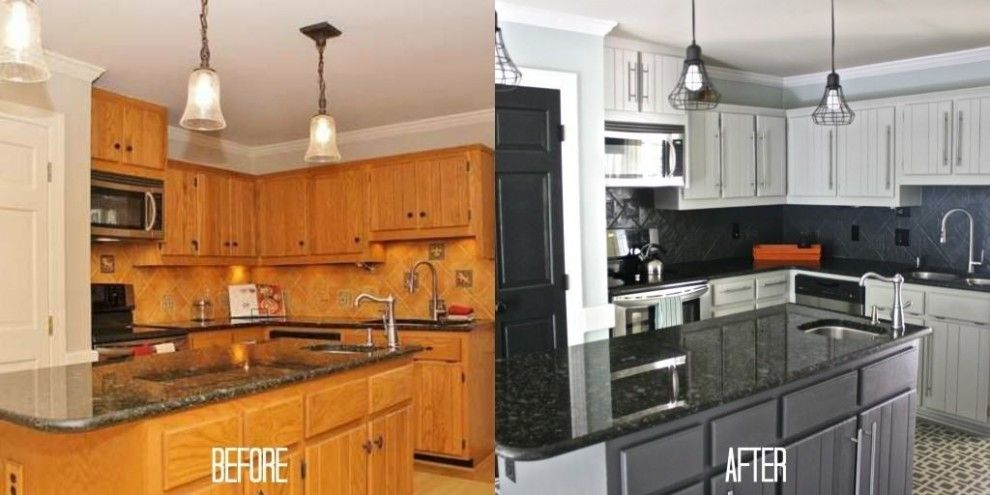
Interior improvements often provide the highest return on investment.
Popular upgrades include:
- Fresh paint.
- Modern lighting fixtures.
- New flooring.
- Updated cabinets.
- Smart thermostats.
Neutral colors and timeless designs appeal to most homeowners.
Improve the Kitchen
The kitchen is often considered the heart of a home.
Simple upgrades include:
- Replacing countertops.
- Installing energy-efficient appliances.
- Updating cabinet handles.
- Adding better lighting.
- Improving storage solutions.
Even small changes can transform the space.
Renovate Bathrooms
Bathrooms greatly influence comfort and property value.
Consider:
- Installing modern fixtures.
- Replacing old tiles.
- Improving ventilation.
- Adding mirrors and storage cabinets.
- Upgrading lighting.
Clean and functional bathrooms create a positive impression.
Enhance Outdoor Spaces
Exterior improvements increase curb appeal.
Useful projects include:
- Landscaping.
- Painting fences.
- Creating patios.
- Installing outdoor lighting.
- Maintaining lawns and gardens.
First impressions matter, especially when selling a property.
Focus on Energy Efficiency
Energy-saving upgrades provide long-term benefits.
Examples include:
- Double-pane windows.
- LED lighting.
- Better insulation.
- Smart thermostats.
- Efficient HVAC systems.
These improvements lower utility expenses and support sustainability.
Add Smart Home Features
Modern technology increases convenience.
Popular options include:
- Smart locks.
- Security cameras.
- Voice assistants.
- Automated lighting.
- Smart doorbells.
These upgrades enhance both security and comfort.
Maintain Regularly
Property improvement is an ongoing process.
Regular maintenance prevents small issues from becoming expensive problems.
Schedule inspections and address repairs promptly.
Benefits of Property Improvement
Property improvement offers many advantages.
- Increases market value.
- Enhances comfort and functionality.
- Improves energy efficiency.
- Reduces long-term maintenance costs.
- Creates a modern appearance.
- Increases safety.
- Boosts resale potential.
- Provides better organization.
- Enhances outdoor appeal.
- Improves quality of life.
Thoughtful improvements deliver both financial and personal rewards.
Disadvantages and Risks
Although property improvement offers benefits, certain risks should be considered.
- High renovation costs.
- Unexpected repair expenses.
- Project delays.
- Poor contractor choices.
- Temporary inconvenience.
- Over-improving beyond neighborhood standards.
- Low-quality materials causing future problems.
- Budget overruns.
Proper planning helps minimize these risks.
Common Mistakes to Avoid
Many homeowners make avoidable mistakes during property improvement projects.
Ignoring structural issues is one of the biggest errors. Cosmetic upgrades should never replace necessary repairs.
Another mistake is setting unrealistic budgets. Unexpected expenses are common, so always prepare extra funds.
Choosing trends over timeless designs may reduce long-term appeal. Neutral styles often remain attractive for years.
Hiring contractors without checking references can lead to poor workmanship. Always verify experience and reputation.
Many people also overlook energy efficiency. Investing in insulation and efficient appliances provides savings over time.
Finally, trying to complete every project at once can become overwhelming. Prioritize upgrades and work gradually.
FAQs
What is the easiest property improvement project?
Painting walls, replacing lighting fixtures, and improving landscaping are simple projects suitable for beginners.
Does property improvement increase home value?
Yes. Quality renovations and maintenance often increase property value and attract potential buyers.
Which room should be renovated first?
The kitchen and bathroom usually provide the highest return on investment and improve daily comfort.
How can I improve my property on a limited budget?
Focus on painting, organization, lighting upgrades, and small repairs. These changes create significant improvements without large expenses.
Are energy-efficient upgrades worth the investment?
Yes. Energy-efficient improvements reduce utility bills and make homes more environmentally friendly.
How often should I perform maintenance?
Seasonal inspections and annual maintenance checks help prevent costly repairs and preserve property value.
Expert Tips and Bonus Points
Experts recommend planning improvements carefully rather than making impulsive decisions.
Prioritize essential repairs before focusing on aesthetics. Strong foundations and safe systems are always more important than decorative upgrades.
Use durable materials whenever possible. Quality products may cost more initially but save money over time.
Research local market trends before major renovations. Understanding buyer preferences can maximize resale value.
Create a long-term improvement plan. Completing projects gradually reduces financial pressure and ensures better results.
Keep records of all upgrades and maintenance work. Documentation can increase buyer confidence and simplify future repairs.
Consider multifunctional spaces. Home offices, storage solutions, and flexible layouts are increasingly valuable.
Natural lighting should also be a priority. Bright interiors feel larger and more inviting.
Finally, balance beauty with practicality. Attractive spaces should also support everyday living needs.
Conclusion
Property improvement is much more than decorating a house. It is a smart investment that enhances comfort, efficiency, and overall value. Whether you plan to live in your home for decades or sell it in the future, thoughtful upgrades can produce lasting benefits.
Successful property improvement begins with proper planning and realistic goals. Focusing on essential repairs, energy efficiency, and functional designs creates spaces that remain attractive for years. Small changes often deliver impressive results without requiring enormous budgets.
Homeowners should approach renovations gradually and prioritize quality over quantity. Durable materials, professional workmanship, and regular maintenance contribute to long-term success.
Although challenges such as unexpected costs and delays may arise, careful preparation can minimize risks. Every improvement, from fresh paint to major remodeling, adds character and functionality to a property.
Ultimately, property improvement is about creating a space that reflects your needs and lifestyle. By making informed decisions and investing wisely, you can enjoy a comfortable home while increasing its value and appeal for years to come.