
Introduction
Owning a house comes with responsibilities that go beyond decorating and organizing rooms. Regular care is essential for preserving comfort, improving safety, and preventing expensive repairs. That is why learning useful home maintenance tips is important for every homeowner.
Many people wait until something breaks before taking action. However, a proactive approach saves time, money, and stress. Simple tasks performed throughout the year can keep major problems from developing and help maintain the value of your property.
Whether you live in a small apartment or a large family home, understanding basic maintenance practices can make daily life easier. From checking plumbing systems to cleaning gutters and maintaining appliances, small efforts can create significant long-term benefits.
These home maintenance tips are designed for beginners and intermediate homeowners. By following a routine and paying attention to seasonal changes, you can enjoy a safer, cleaner, and more efficient living environment. In this guide, you will discover practical strategies, common mistakes to avoid, and expert advice that will help you protect your investment and keep your home functioning properly for years.
What Is Home Maintenance?
Home maintenance refers to the regular inspection, cleaning, repair, and upkeep of different parts of a house. It includes both indoor and outdoor tasks that help preserve the condition and efficiency of your property.
Examples include:
- Cleaning air filters.
- Inspecting plumbing fixtures.
- Checking electrical outlets.
- Maintaining heating and cooling systems.
- Repairing damaged walls and floors.
- Cleaning gutters and roofs.
Following proper home maintenance tips helps homeowners avoid costly emergencies while improving comfort and safety.
Why Is Home Maintenance Important?
Regular maintenance plays a major role in protecting your investment. A neglected home can develop serious issues that require expensive repairs.
Proper maintenance provides several advantages:
- Extends the lifespan of appliances and systems.
- Improves energy efficiency.
- Enhances safety for family members.
- Prevents water damage and mold growth.
- Increases property value.
- Reduces long-term repair expenses.
Consistent care also gives homeowners peace of mind because potential problems can be identified before they become major concerns.
Detailed Step-by-Step Guide
Inspect Your Home Monthly
Monthly inspections help identify minor issues early.
Look for:
- Water leaks around sinks.
- Cracks in walls.
- Loose electrical outlets.
- Signs of pest activity.
- Damaged windows or doors.
A quick inspection can prevent larger problems later.
Maintain Your Plumbing System
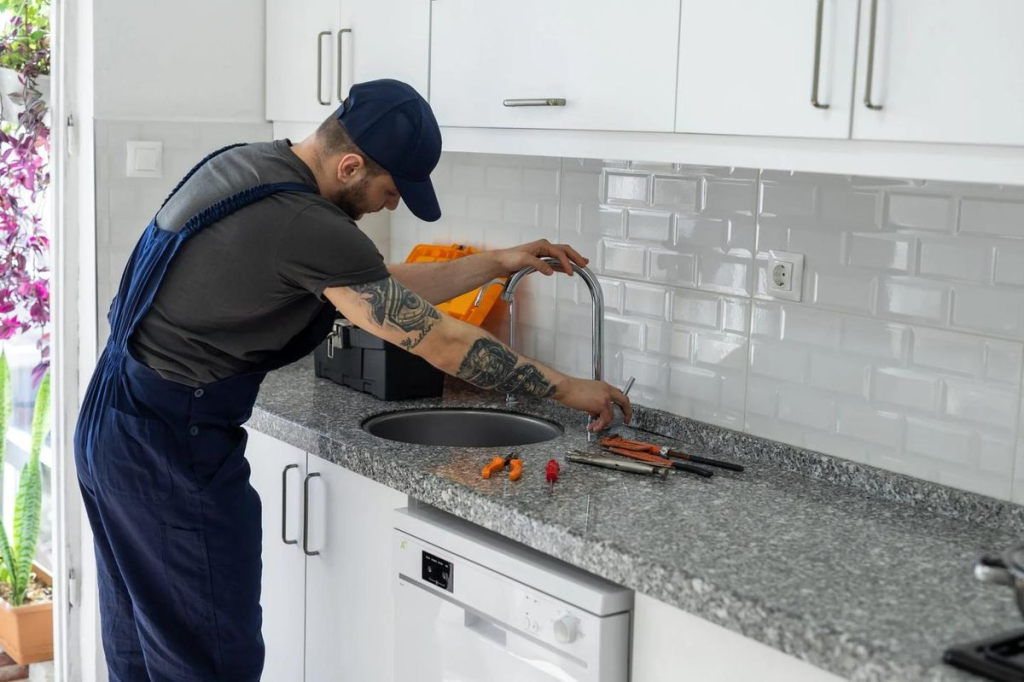
Plumbing issues often become expensive if ignored.
To maintain plumbing:
- Check faucets for leaks.
- Inspect pipes under sinks.
- Clean drains regularly.
- Test water pressure.
- Repair dripping fixtures immediately.
For example, fixing a small leak early can prevent water damage and reduce utility bills.
Take Care of Heating and Cooling Systems
Heating and cooling equipment requires regular attention.
Important tasks include:
- Replacing air filters every few months.
- Cleaning vents.
- Scheduling professional inspections.
- Checking thermostat settings.
- Removing dust from units.
These home maintenance tips improve indoor air quality and lower energy costs.
Keep Gutters Clean
Clogged gutters can cause water damage.
Follow these steps:
- Remove leaves and debris.
- Inspect downspouts.
- Check for cracks.
- Ensure water flows properly.
- Clean gutters at least twice a year.
Proper drainage protects your foundation and roof.
Check Roof Condition
Roof inspections help prevent costly repairs.
Look for:
- Missing shingles.
- Water stains.
- Mold growth.
- Damaged flashing.
- Sagging areas.
Early detection can save thousands of dollars in future repairs.
Maintain Appliances
Household appliances perform better when properly maintained.
Examples include:
- Cleaning refrigerator coils.
- Emptying dryer vents.
- Checking washing machine hoses.
- Inspecting dishwasher seals.
- Cleaning oven surfaces.
Regular maintenance increases efficiency and extends appliance life.
Improve Home Safety
Safety should always remain a priority.
Important precautions include:
- Testing smoke detectors monthly.
- Replacing batteries regularly.
- Checking carbon monoxide detectors.
- Keeping fire extinguishers accessible.
- Inspecting electrical cords.
These simple home maintenance tips contribute to a safer living environment.
Prepare for Seasonal Changes
Each season brings unique maintenance requirements.
Spring:
- Inspect outdoor areas.
- Service air conditioning systems.
- Clean windows.
Summer:
- Check irrigation systems.
- Inspect decks and patios.
Fall:
- Clean gutters.
- Seal windows.
Winter:
- Protect pipes from freezing.
- Inspect heating systems.
- Remove snow buildup.
Seasonal preparation prevents weather-related damage.
Benefits of Home Maintenance
Regular maintenance offers numerous advantages:
- Reduces repair costs.
- Improves property value.
- Enhances energy efficiency.
- Increases home safety.
- Prevents unexpected breakdowns.
- Extends appliance lifespan.
- Improves indoor comfort.
- Preserves structural integrity.
- Saves money over time.
- Creates a healthier environment.
Disadvantages and Risks
Ignoring maintenance creates several risks:
- Expensive emergency repairs.
- Higher utility bills.
- Water damage.
- Mold development.
- Reduced property value.
- Shorter appliance lifespan.
- Increased safety hazards.
- Pest infestations.
Fortunately, most problems can be prevented through regular inspections and timely repairs.
Common Mistakes to Avoid
Many homeowners unknowingly make maintenance mistakes.
Avoid these common errors:
- Ignoring small leaks.
- Forgetting HVAC filter replacement.
- Delaying roof inspections.
- Skipping gutter cleaning.
- Overlooking smoke detector batteries.
- Using incorrect cleaning products.
- Neglecting appliance maintenance.
- Waiting until problems become serious.
Being proactive helps prevent unnecessary expenses and frustration.
FAQs
How often should home maintenance be performed?
Basic inspections should be done monthly. Seasonal maintenance should occur four times a year, while major systems should receive professional inspections annually.
Why are home maintenance tips important?
These tips help prevent expensive repairs, improve safety, and increase the lifespan of appliances and structural components.
Can home maintenance increase property value?
Yes. A well-maintained home attracts buyers and often commands a higher market price.
What should beginners focus on first?
Beginners should start with plumbing checks, HVAC maintenance, smoke detector testing, and gutter cleaning.
How can I reduce maintenance costs?
Regular inspections and immediate repairs prevent minor issues from becoming major expenses.
Should I hire professionals for certain tasks?
Yes. Electrical work, roof repairs, and HVAC servicing often require experienced professionals to ensure safety and quality.
Expert Tips and Bonus Points
Experts recommend creating a maintenance calendar to stay organized.
Helpful suggestions include:
- Keep basic tools at home.
- Maintain records of repairs.
- Schedule annual inspections.
- Replace worn-out components promptly.
- Use quality materials for repairs.
- Monitor energy bills for unusual changes.
- Inspect outdoor areas regularly.
- Address moisture problems quickly.
Another useful strategy is dividing tasks into monthly and seasonal checklists. This approach makes maintenance easier and prevents important duties from being forgotten.
Smart homeowners also invest in preventive care rather than waiting for emergencies. Spending a little time on routine upkeep can save substantial amounts of money over the years.
Conclusion
Maintaining a home does not have to be difficult or overwhelming. By following practical home maintenance tips and creating a regular schedule, homeowners can prevent costly repairs and enjoy a safer, cleaner, and more comfortable living environment.
Routine inspections, seasonal preparations, and timely repairs all contribute to preserving the condition and value of a property. Small actions, such as cleaning filters, checking plumbing systems, and testing safety devices, can make a significant difference over time.
Consistency is the key to successful home care. Instead of waiting for problems to appear, adopting preventive habits allows you to identify issues early and avoid unnecessary expenses. Whether you are a new homeowner or someone with years of experience, investing time in maintenance pays off in the long run.
A well-maintained home not only looks better but also provides peace of mind. With the right approach and regular attention, you can protect your investment and ensure that your home remains comfortable, efficient, and welcoming for many years to come.