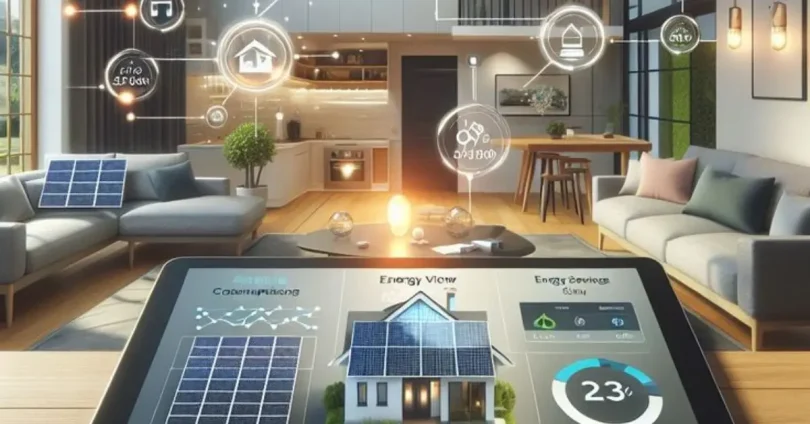

Smart homes are transforming modern living, offering convenience, security, and energy efficiency. A proper smart home user guide helps homeowners set up, manage, and optimize smart devices effectively. From lighting and climate control to security systems and entertainment, a structured guide ensures every device works seamlessly.
This smart home user guide is designed to help beginners and experienced users understand the setup, functionality, and best practices for smart home systems.
What Is a Smart Home User Guide
A smart home user guide is a step-by-step instructional resource that explains how to install, configure, and use smart devices within a home. It provides guidance on device compatibility, connectivity, automation routines, and security considerations.
By following a smart home user guide, homeowners can ensure smooth operation of all devices, reduce troubleshooting issues, and maximize the benefits of smart living.
Benefits of Using a Smart Home User Guide
Implementing devices with a smart home user guide provides several advantages:
Convenience
Automation simplifies daily routines, from turning on lights to adjusting the thermostat automatically.
Energy Efficiency
Smart devices optimize energy use. The guide ensures thermostats, lighting, and appliances run efficiently, reducing bills.
Security
Proper setup of cameras, smart locks, and alarms enhances home safety. The guide includes placement and configuration tips.
Integration
A smart home user guide helps integrate devices from different brands into a single ecosystem for unified control.
Remote Monitoring
Most smart devices allow remote access through apps, enabling users to monitor and control systems from anywhere.
Essential Components of a Smart Home
A comprehensive smart home user guide covers these components:
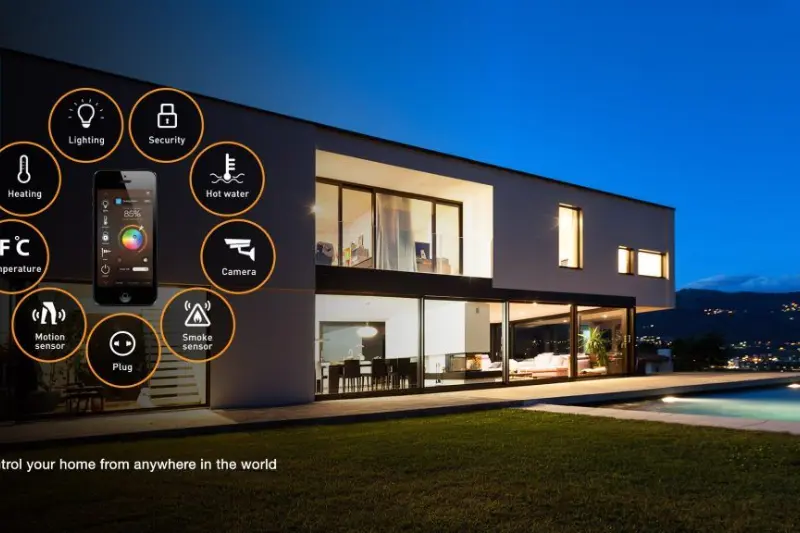
Smart Lighting
Automated bulbs and switches can adjust brightness, color, and schedules. Motion sensors enhance convenience and energy efficiency.
Climate Control
Smart thermostats and HVAC systems adjust temperature based on occupancy, schedules, or weather, improving comfort and savings.
Security Systems
Smart cameras, doorbells, locks, and alarms enhance protection. The guide explains optimal placement and app integration.
Entertainment Systems
Smart TVs, speakers, and streaming devices can be synchronized and automated for enhanced entertainment experiences.
Appliances
Smart plugs, coffee makers, and refrigerators can be automated for convenience. The smart home user guide provides setup and connectivity instructions.
Hubs and Voice Assistants
Hubs and voice assistants like Alexa, Google Assistant, and Siri unify control of multiple devices, simplifying automation.
Step-by-Step Smart Home User Guide
Follow these steps to create a well-integrated smart home:
Step 1: Plan Your Smart Home
Identify devices you need, focusing on convenience, security, energy efficiency, or entertainment.
Step 2: Check Compatibility
Ensure devices work with your chosen apps, hubs, and voice assistants for smooth integration.
Step 3: Set Up Network
Use reliable Wi-Fi or mesh networks to maintain stable connectivity for all devices.
Step 4: Install Devices
Follow manufacturer instructions for installation. Place sensors, cameras, and lights strategically.
Step 5: Configure Apps
Set up devices in the app, assign rooms, and create automation routines for efficiency.
Step 6: Automation Routines
Program devices to act automatically, such as lights turning off when leaving a room or smart locks auto-locking doors.
Step 7: Test Systems
Test each device and routine to ensure proper functioning. Make adjustments as needed.
Step 8: Maintain Security
Enable strong passwords, encryption, and firmware updates to secure devices and networks.
Step 9: Expand Gradually
Add new devices step by step to avoid complexity and ensure seamless integration.
Step 10: Monitor and Update
Regularly review device performance and update apps and firmware for optimal operation.
You may also like to read these posts:
Top Latest Smart Devices to Transform Modern Living
Best Home Automation Systems for Modern Living
Ultimate Guide to Smart Home Automation in 2026
Complete Guide to Home Automation Setup in 2026
Common Mistakes to Avoid
Even with a smart home user guide, avoid these pitfalls:
- Overloading the network with too many devices at once.
- Ignoring device compatibility across different brands.
- Poor placement of sensors or cameras.
- Skipping automation or app configuration steps.
- Neglecting firmware updates and security practices.
Future Trends in Smart Homes
The future of smart homes includes:
- AI-powered devices that learn user behavior and adapt automatically.
- Greater interoperability between brands and platforms.
- Health and wellness integration for lighting, air quality, and sleep.
- Energy optimization and monitoring for sustainable living.
- Advanced voice and gesture controls for hands-free operation.
Everyday Life with a Smart Home
Following a smart home user guide ensures daily routines are seamless. Lights, climate, entertainment, and security systems operate automatically, saving time, energy, and effort.
From waking up to automated lighting and temperature adjustments to managing security remotely, smart homes improve convenience, safety, and efficiency in everyday life.
Frequently Asked Questions
What is a smart home user guide?
A smart home user guide is a step-by-step resource explaining how to install, configure, and use smart devices efficiently.
Can I set up a smart home myself?
Yes, most devices are designed for DIY installation, and the guide helps simplify the process.
How does a smart home user guide improve security?
The guide explains placement, configuration, and automation of cameras, locks, and alarms for maximum protection.
Can I control smart home devices remotely?
Yes, most smart devices can be monitored and controlled through apps or voice assistants from anywhere.
Are smart homes energy-efficient?
Yes, following the guide ensures devices operate efficiently, reducing energy waste and lowering electricity bills.
Conclusion
A comprehensive smart home user guide is essential for creating a connected, efficient, and secure smart home. By planning carefully, following installation steps, and optimizing automation routines, homeowners can enjoy the full benefits of modern smart living.
Start with essential devices, expand gradually, and maintain security practices to create a safe, comfortable, and intelligent home environment.