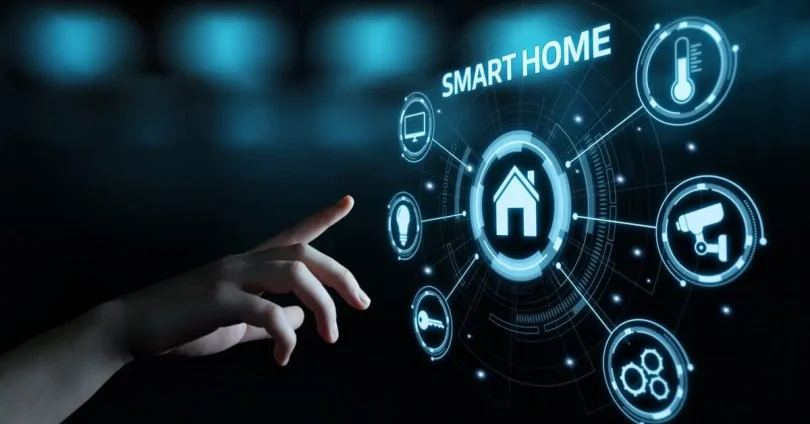

Technology is rapidly transforming modern living, and smart home automation has become a central trend in creating efficient, convenient, and secure households. From controlling lights and thermostats to managing security cameras and entertainment systems, smart home automation allows homeowners to monitor, control, and automate devices from anywhere.
Whether you are building a new smart home or upgrading your existing setup, understanding the technology behind and how to integrate it effectively is essential. In this guide, we will explore what is, the benefits it provides, types of devices, practical setup tips, future trends, and FAQs to help you make informed decisions.
What Is Smart Home Automation
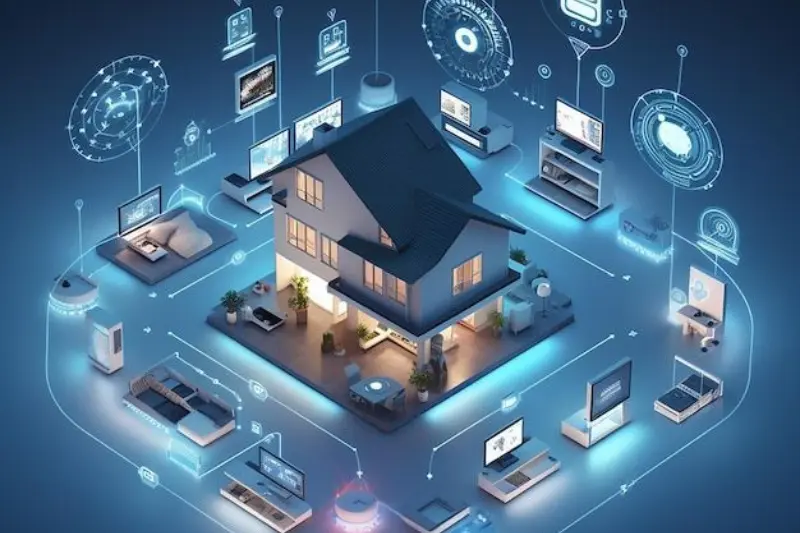
Smart home automation refers to the technology that enables devices and appliances in your home to communicate, operate automatically, and be remotely controlled. Unlike traditional systems, allows seamless integration between lighting, security, climate, entertainment, and other household devices.
At the heart of smart home automation is connectivity. Devices usually communicate via Wi-Fi, Bluetooth, Zigbee, or Z-Wave protocols, and they are controlled through mobile apps, voice assistants, or central hubs. Automation can be triggered by schedules, sensors, or user commands, creating a responsive environment that adapts to your lifestyle.
Smart home automation also provides valuable data. Energy usage reports, security alerts, and system diagnostics help homeowners make informed decisions and optimize their home environment efficiently.
Benefits of Smart Home Automation
Investing in smart home automation offers numerous advantages that extend beyond convenience. These benefits include:
Convenience
Automation simplifies daily routines by controlling lights, climate, and appliances automatically. You no longer have to remember to switch off devices or adjust temperature settings manually.
Energy Efficiency
Smart thermostats, lighting, and appliance controls reduce energy consumption by ensuring devices operate only when needed. This results in lower utility bills and more sustainable living.
Security and Safety
Smart home automation enhances safety through integrated cameras, sensors, motion detectors, and smart locks. Homeowners receive instant alerts about unusual activities and can monitor their property remotely.
Comfort and Personalization
Automation allows homeowners to customize lighting, temperature, and entertainment settings to suit personal preferences. Morning routines, relaxation modes, and sleep schedules can all be automated.
Remote Monitoring
Smart home automation provides remote access to your devices from anywhere. You can adjust settings, monitor security cameras, or check system status from your smartphone or tablet, offering peace of mind when away from home.
Key Components of Smart Home Automation
Smart home automation relies on a range of devices that work together to create a connected environment. Understanding these components helps in building an effective system.
Smart Lighting
Smart bulbs, LED strips, and switches are core elements of smart home automation. They can be controlled via apps, voice commands, or automation schedules. Advanced systems adjust brightness and color based on time of day or ambient lighting, creating energy-efficient and personalized lighting environments.
Smart Thermostats and Climate Control
Smart thermostats learn household routines and adjust heating and cooling automatically for optimal comfort and efficiency. Integration with other devices, like sensors and weather data, allows predictive adjustments that save energy without sacrificing comfort.
Smart Security Systems
Cameras, video doorbells, motion sensors, and smart locks enhance safety in smart homes. These devices provide real-time notifications, live video streaming, and remote control features. Advanced AI features can distinguish between people, animals, and vehicles to reduce false alarms.
Smart Plugs and Appliance Control
Smart plugs convert traditional devices into automated tools, enabling remote control, scheduling, and energy monitoring. They are ideal for lamps, coffee makers, fans, and other household electronics.
Voice Assistants and Central Hubs
Voice assistants such as Amazon Alexa, Google Assistant, and Apple Siri serve as central controllers for smart home automation. Central hubs integrate devices from multiple brands, enabling smooth operation and coordinated automation routines.
Popular Applications of Smart Home Automation
Smart home automation is used in various aspects of daily life, improving convenience, security, and efficiency.
Morning Routines
Automation can gradually turn on lights, adjust thermostat settings, and play morning news or music, creating a seamless start to the day.
Security Management
Cameras and smart locks provide real-time monitoring and alerts. Whether you’re at work or traveling, you can check live feeds and remotely lock or unlock doors for trusted visitors.
Energy Management
Smart thermostats, lights, and appliances can operate according to schedules or occupancy sensors, reducing energy waste and lowering electricity bills.
Entertainment
Smart speakers, streaming devices, and connected TVs allow voice-controlled or app-based entertainment. Multi-room audio and media automation enhance the home experience.
Health and Wellness
Wearables and connected devices can integrate with smart home automation to adjust lighting, temperature, or air quality based on health needs or environmental data.
You may also like to read these posts:
Top Smart Devices for Home in 2026 Guide
Best Affordable Smart Gadgets to Upgrade Your Life
Top Latest Smart Devices to Transform Modern Living
Best Home Automation Systems for Modern Living
How to Choose the Right Smart Home Automation System
Selecting the right smart home automation system involves several key considerations:
Define Your Goals
Determine what you want to achieve: security, convenience, energy efficiency, entertainment, or all of the above. Your goals guide which devices and ecosystems to prioritize.
Check Compatibility
Ensure devices are compatible with your smartphone, voice assistant, and existing network. Interoperability reduces frustration and makes automation smoother.
Evaluate Budget
Smart home automation can be scaled gradually. Start with devices that provide immediate benefits, such as smart locks or thermostats, and expand over time.
Prioritize Security
Choose products that offer strong encryption, two-factor authentication, and regular firmware updates to keep your system secure.
Read Reviews and Support Options
Select brands known for reliability and good customer support. Firmware updates and active support ensure long-term performance.
Installation and Setup Tips
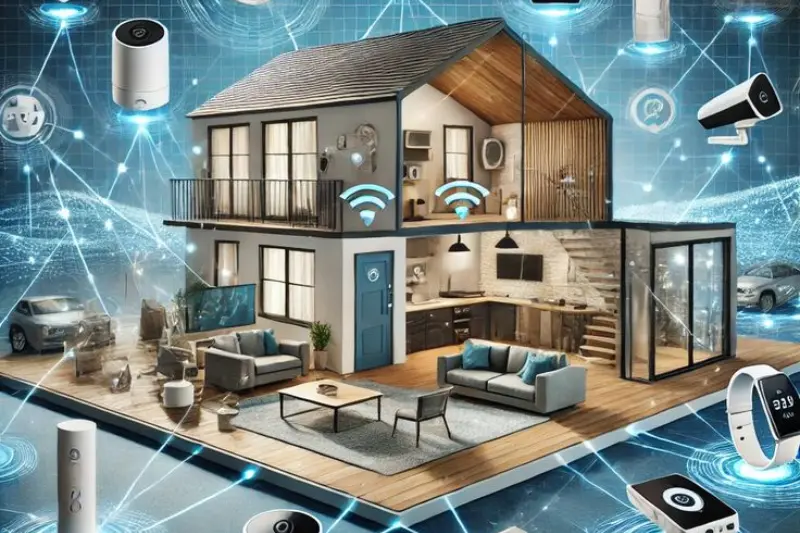
Installing smart home automation systems is typically straightforward, but following best practices ensures reliable operation:
- Ensure Wi-Fi coverage throughout the home, using extenders or mesh networks if needed.
- Follow app instructions carefully and assign devices to specific rooms for easier management.
- Create automation routines, such as scheduling lights and climate control based on occupancy or time.
- Regularly update firmware to maintain security and access new features.
- Test devices after setup to confirm all functions are working correctly.
Common Mistakes to Avoid
Many beginners make avoidable mistakes when implementing :
- Buying too many devices at once can overwhelm your system and complicate setup.
- Ignoring compatibility issues may lead to devices that cannot communicate effectively.
- Neglecting network strength can cause connectivity problems and unreliable automation.
- Skipping firmware updates may leave devices vulnerable to security threats.
- Poor placement of sensors and cameras reduces efficiency and coverage.
Future
The future of is promising, with several emerging trends:
- Artificial intelligence will make systems predictive, anticipating user behavior and automating routines seamlessly.
- Improved interoperability will allow devices from different brands to work together more effectively.
- Voice and gesture controls will become more natural and accurate.
- Energy optimization tools will provide actionable insights for reduced environmental impact and cost savings.
- Health-focused automation will integrate environmental adjustments for wellness, such as air quality, lighting, and temperature personalization.
Everyday Life with Smart Home Automation
Once implemented, smart home automation becomes a natural part of daily life. From automated routines and enhanced security to energy savings and personalized comfort, the benefits are tangible. Homeowners can enjoy more free time, peace of mind, and improved quality of life. Automation also encourages experimentation, allowing users to discover new ways to enhance their living spaces and daily routines.
Frequently Asked Questions
What is smart home automation?
Smart home automation is the integration of connected devices and appliances that can be remotely controlled, automated, and monitored for convenience, comfort, and security.
Do I need professional installation?
Most systems are designed for DIY setup, but professionals can help with complex integrations or larger properties.
Can save energy?
Yes, automated lighting, climate control, and appliance management help reduce unnecessary energy consumption, lowering utility bills.
Are systems secure?
They can be secure if devices use strong passwords, encryption, firmware updates, and secure network practices.
Can I control smart home automation remotely?
Yes, most systems allow full control from smartphones, tablets, or voice assistants from anywhere in the world.
Conclusion
Smart home automation is no longer a futuristic concept—it’s an accessible, practical, and impactful way to improve modern living. By understanding devices, choosing the right components, and setting up reliable automation, you can create a home that is efficient, secure, and personalized.
Start with a few high-impact devices, expand gradually, and focus on compatibility and security. With the right approach, smart home automation transforms daily life into a seamless, enjoyable, and technologically empowered experience.