
Modern living is being reshaped by connected technology that makes daily routines easier and more efficient. One of the biggest trends today is the rise of smart devices for home, which allow homeowners to control lighting, security, temperature, and appliances using phones or voice commands. These innovations are not just about luxury; they solve real-life problems like energy waste, home security, and convenience.
A connected home gives you more control over your environment. Instead of manually handling every task, you can automate and manage your space from anywhere. Whether you live in a small apartment or a large house, adopting smart technology can make life smoother and more comfortable.
What Are Smart Devices for Home
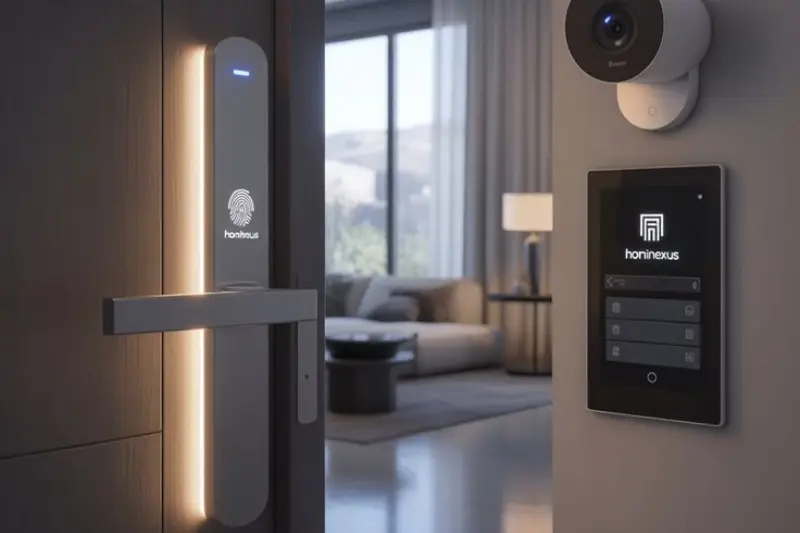
Smart devices for home are internet-connected tools that automate and control household functions. They usually connect through Wi-Fi or Bluetooth and are managed using mobile apps or voice assistants. Unlike traditional electronics, these tools can respond to schedules, sensors, and remote commands.
For example, lights can turn on automatically at sunset, doors can lock themselves at night, and thermostats can adjust based on your routine. The goal is to create a home that works for you without constant manual input.
These systems also share data with you, such as energy usage or security alerts, helping you make better decisions about your home.
Benefits of a Connected Home
Using smart devices for home offers many advantages that go beyond convenience.
First is time saving. Automation reduces repetitive tasks like turning off lights or adjusting temperatures. Small automations every day can save hours over time.
Second is energy efficiency. Smart thermostats and lighting systems prevent unnecessary power usage, which lowers electricity bills.
Third is safety. Cameras, sensors, and alerts help homeowners react quickly to unusual activity.
Finally, there is comfort. Personalized settings allow you to create the perfect environment for sleep, work, or relaxation.
Types of Smart Home Technology
There are many categories to explore when building a connected home. Choosing the right ones depends on your priorities and lifestyle. Many families begin with smart devices for home that focus on lighting and security because they provide immediate value.
Smart Lighting
Smart bulbs and switches let you control brightness, color, and schedules. You can create moods for reading, working, or movie nights. Automation also ensures lights are never left on by mistake.
Smart Thermostats
These tools learn your routine and adjust heating or cooling automatically. They balance comfort and energy savings without constant adjustments.
Smart Security Systems
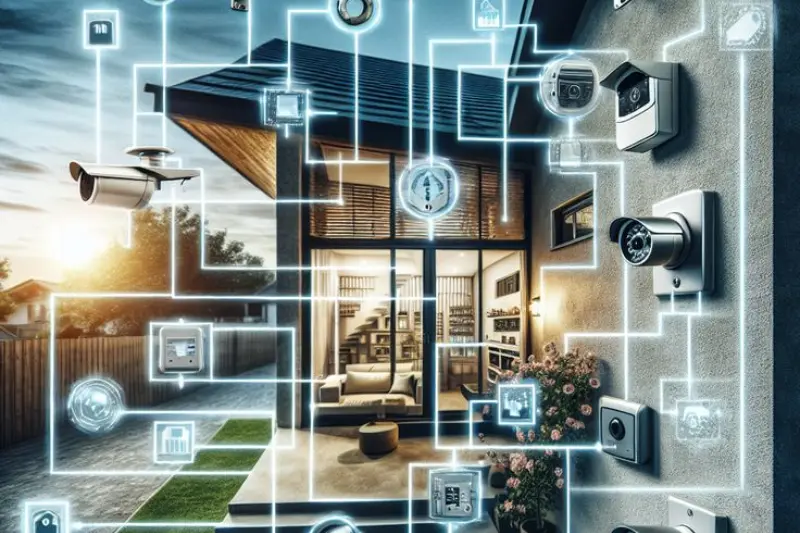
Cameras, video doorbells, and motion sensors improve awareness. Real-time alerts help you monitor your home from anywhere.
Smart Plugs and Appliances
Smart plugs turn regular electronics into controllable tools. Appliances like robot vacuums and smart kitchen devices also reduce workload at home.
How to Choose the Right Devices
Buying technology without a plan can be overwhelming. Before purchasing smart devices for home, consider your main goal. Do you want better security, lower bills, or more comfort?
Check compatibility with your phone and preferred voice assistant. Many devices are designed for ecosystems like Google Home, Alexa, or Apple HomeKit.
Set a realistic budget and start small. It is better to master a few useful tools than to install too many at once.
Reading user reviews also helps you avoid unreliable products and choose trusted brands.
You may also like to read these posts:
Ultimate Guide to Smart Home Automation in 2026
Complete Guide to Home Automation Setup in 2026
Complete Smart Device Setup Guide for 2026
Ultimate Tech Troubleshooting Guide for Beginners
Installation Tips for Beginners
Setting up smart devices for home is often simpler than people expect. Most products include step-by-step app instructions.
Make sure your Wi-Fi signal is strong in all rooms. Weak connections can cause delays or disconnections.
Keep devices updated with the latest firmware. Updates improve performance and security.
Place cameras, sensors, and speakers in practical locations where they can work effectively.
Security and Privacy Considerations
Because smart devices for home connect to the internet, security is important. Protect your system by using strong passwords and two-factor authentication.
Avoid using public Wi-Fi when setting up devices. A secure home network reduces risk.
Regular updates from manufacturers fix vulnerabilities, so never ignore firmware notifications.
Taking these steps keeps your data and home safe.
Real-Life Uses in Daily Living
Many households rely on smart devices for home to simplify routines. Morning schedules can include lights gradually turning on and news playing automatically. Evening routines may dim lights and lock doors.
Parents use cameras to check when children arrive home. Elderly individuals benefit from voice control and reminders.
Automation also helps frequent travelers monitor their homes remotely, giving peace of mind.
Future of Home Technology
The future of smart devices for home looks promising. Artificial intelligence will make systems more responsive and predictive. Homes may soon adjust lighting, temperature, and even groceries based on your habits.
Compatibility between brands is also improving, making devices easier to combine into one system.
Voice and gesture controls will likely become more natural and accurate, reducing the need for apps.
Frequently Asked Questions
Are smart home tools expensive?
Prices vary, but many affordable options exist. You can start small and upgrade later.
Do these devices always need internet?
Most features require internet, but some local controls may still work offline.
Are they difficult to use?
No. Most apps are beginner-friendly and designed for easy control.
Can renters use smart home tech?
Yes. Many products are portable and do not require permanent installation.
Do they really save energy?
Yes. Automated lighting and climate control often reduce wasted energy.
Conclusion
Investing in smart devices for home can greatly improve your lifestyle. From saving energy to boosting security and comfort, the benefits are practical and noticeable. The best approach is to start small, focus on real needs, and expand gradually.
A connected home is not about owning many gadgets; it is about using technology wisely to support your daily life. With the right planning, any home can become more efficient, safe, and comfortable.