

Smart technology is transforming the way we live, work, and interact with our environment. Knowing how smart technology works helps homeowners, businesses, and tech enthusiasts make the most of connected devices. From smart homes and wearable devices to AI-powered assistants and IoT systems, understanding the fundamentals is crucial.
This guide explains the components, mechanisms, and benefits of smart technology, providing a clear understanding of how it operates in daily life.
What Is Smart Technology

Smart technology refers to devices and systems that collect, process, and respond to data automatically. Understanding how smart technology works involves knowing how sensors, connectivity, and automation interact to provide intelligent responses.
Smart devices often use the Internet of Things (IoT), artificial intelligence (AI), and cloud computing to connect, learn, and adapt. Examples include smart thermostats, security cameras, wearable fitness trackers, and voice assistants.
Key Components of Smart Technology
To understand how smart technology works, it’s important to know its main components:
Sensors
Sensors detect changes in the environment, such as motion, temperature, humidity, light, or sound. They act as the input for smart systems, enabling devices to respond automatically.
Connectivity
Smart devices use Wi-Fi, Bluetooth, Zigbee, Z-Wave, or cellular networks to communicate. Connectivity is essential for data transfer between devices, apps, and cloud platforms.
Processors and AI
The brain of smart technology is the processor, often enhanced with AI algorithms. These components analyze sensor data, make decisions, and trigger automated actions.
User Interfaces
Users interact with smart technology through apps, touchscreens, or voice commands. Understanding how smart technology works includes knowing how human input integrates with automated systems.
Automation and Routines
Automation allows devices to act without human intervention. Routines can include scheduled tasks, sensor-based triggers, or AI-driven decision-making.
How Smart Technology Works in Everyday Life
How smart technology works varies depending on the application, but the process generally follows these steps:
Data Collection
Sensors collect environmental data, such as room temperature, motion, or light levels.
Data Processing
Processors or cloud servers analyze the data using AI or pre-defined algorithms to determine appropriate actions.
Action and Feedback
The system triggers actions based on analysis. For example, a smart thermostat adjusts temperature automatically or smart lights turn on when someone enters a room.
Remote Monitoring
Most smart devices can be monitored or controlled remotely through apps, giving users real-time feedback and control.
Learning and Adaptation
Advanced systems learn from user behavior to optimize routines. This is a key part of understanding how smart technology works in adaptive systems.
You may also like to read these posts:
Top Latest Smart Devices to Transform Modern Living
Best Home Automation Systems for Modern Living
Ultimate Guide to Smart Home Automation in 2026
Complete Guide to Home Automation Setup in 2026
Applications of Smart Technology
Understanding how smart technology works is easier when looking at real-world applications:
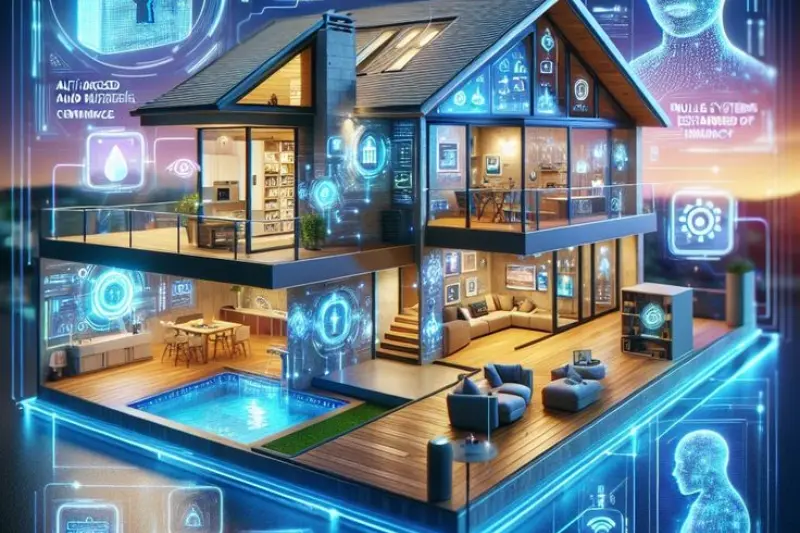
Smart Homes
Smart lighting, thermostats, locks, and appliances respond to user routines, creating efficient, safe, and comfortable environments.
Wearable Devices
Fitness trackers, smartwatches, and health monitors collect biometric data and provide feedback, improving health and wellness.
Smart Offices
Automation in offices includes energy-efficient lighting, climate control, and intelligent scheduling for productivity and cost savings.
Healthcare
Smart devices monitor patient vitals, send alerts to medical staff, and integrate with electronic health records for timely interventions.
Industrial IoT
Factories and warehouses use smart sensors and automated systems to optimize production, monitor equipment, and reduce energy waste.
Benefits of Smart Technology
Understanding how smart technology works also highlights its advantages:
Convenience
Automation simplifies everyday tasks, from lighting and climate control to security and entertainment.
Energy Efficiency
Smart systems optimize power usage, reducing waste and lowering bills.
Security and Safety
Smart cameras, alarms, and monitoring systems enhance safety and provide remote alerts.
Personalization
Devices learn user behavior to create customized experiences, improving comfort and efficiency.
Data-Driven Decisions
Smart technology provides insights from data analytics to guide decisions in homes, businesses, and healthcare.
How to Integrate Smart Technology
Implementing smart technology involves:
- Assessing your needs and goals.
- Choosing compatible devices and systems.
- Setting up proper connectivity and networks.
- Configuring apps, routines, and automation rules.
- Monitoring performance and updating software regularly.
Understanding how smart technology works ensures efficient integration and long-term benefits.
Common Mistakes to Avoid
Even when using smart technology, users should avoid:
- Overloading networks with too many devices.
- Ignoring device compatibility.
- Neglecting firmware updates and security protocols.
- Poor placement of sensors and cameras.
- Skipping automation routines or schedules.
Future Trends in Smart Technology
The future of smart technology includes:
- AI-driven devices that predict behavior and act proactively.
- Increased interoperability between different brands and platforms.
- Enhanced health and wellness applications in homes and healthcare.
- Energy management and sustainability tools integrated into smart systems.
- Voice and gesture controls becoming more natural and intuitive.
Everyday Life with Smart Technology
Understanding how smart technology works reveals how it improves daily life. From waking up with automated lighting to monitoring health, optimizing energy, and enhancing security, smart devices make life more convenient, safe, and efficient.
Frequently Asked Questions
What is smart technology?
Smart technology refers to devices and systems that collect data, analyze it, and respond automatically or through user control.
How does smart technology work in homes?
Sensors collect data, processors analyze it, and devices take action, such as adjusting lighting, temperature, or security settings.
Can smart technology save energy?
Yes, smart devices optimize power usage, reduce waste, and lower electricity bills.
Are smart devices secure?
They can be secure with proper encryption, passwords, firmware updates, and network security.
Can smart technology be controlled remotely?
Yes, most smart devices can be monitored and controlled via apps or voice assistants from anywhere.
Conclusion
Learning how smart technology works helps individuals and businesses leverage its benefits fully. By understanding sensors, connectivity, automation, and AI, you can create environments that are intelligent, efficient, and responsive.
Start with essential devices, expand gradually, and maintain proper security practices to enjoy the full potential of smart technology in everyday life.