
In the era of connected technology, home automation systems are transforming the way people live, work, and relax. These systems allow everyday devices and appliances to communicate with each other and with you, bringing unprecedented convenience and control to modern households. Whether you want to automate lights, security, climate, or entertainment, understanding the right technology can make your living space smarter, safer, and more efficient.
The demand for home automation systems continues to grow as technology becomes more affordable and accessible. New innovations in artificial intelligence, voice control, and wireless connectivity have made it easier than ever to upgrade your home. This comprehensive article will guide you through what these systems are, why they matter, how to choose the best ones, and how to use them effectively.
What Are Home Automation Systems
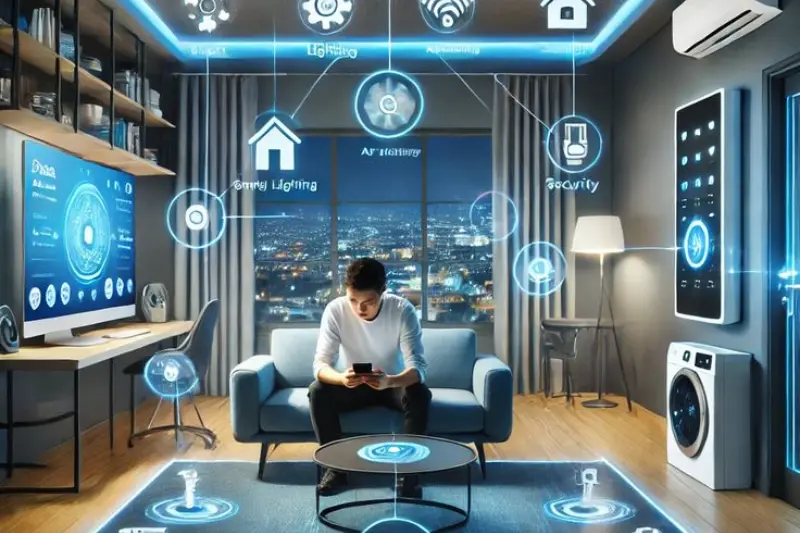
Home automation systems are integrated networks of devices that can be controlled, scheduled, and monitored through apps, voice assistants, or automation rules. Instead of manually operating each device, you can set routines, trigger automated actions, and manage everything from one central hub.
For example, a well‑configured home automation system can:
Control lights based on time of day
Adjust thermostats automatically for comfort and energy savings
Send alerts if unusual activity is detected
Play music or media with a voice command
These capabilities not only make daily life easier but also save time and energy.
Why Home Automation Systems Are Important
Many people view home automation systems as luxury upgrades, but they offer practical value that goes far beyond novelty. One of the biggest advantages is convenience. Instead of worrying about turning lights off before bed or adjusting the thermostat when leaving home, automation takes care of repetitive tasks automatically.
Another key benefit is efficiency. Smart climate and lighting control help reduce energy waste, which can significantly lower utility bills over time. Security is also enhanced through real‑time alerts, remote monitoring, and integrated sensors that work together seamlessly.
Comfort is another major advantage. Automated systems can adapt your home environment to your routines without manual input, creating a space that feels responsive and intuitive.
Core Components of Home Automation Systems
Understanding what makes up a home automation system helps you make smarter decisions when building your setup. These components work together to create a cohesive and responsive environment.
Smart Lighting
Smart lighting systems are among the most common elements in home automation. These systems allow you to control brightness, color, and on/off schedules from an app or voice assistant. Some advanced products adapt brightness based on natural light or time of day.
Smart Thermostats
Climate control accounts for a large portion of household energy use. Smart thermostats learn your daily routines and adjust heating and cooling automatically to balance comfort and efficiency. They often provide detailed energy reports and suggestions for optimization.
Smart Security and Surveillance
Security is a leading reason many people adopt home automation systems. Wireless cameras, motion sensors, and smart locks work together to protect your property. These devices can send alerts to your phone, stream live video, and even deter intruders.
Smart Plugs and Power Management
Smart plugs are affordable ways to add automation to existing devices. They allow you to schedule or remotely turn on/off appliances, manage power usage, and integrate with other automated routines.
Voice Assistants and Central Hubs
Voice assistants like Amazon Alexa, Google Assistant, and Apple Siri act as control centers for many home automation systems. They allow hands‑free operation and coordination between devices. Central hubs unify diverse products into one manageable ecosystem.
Benefits of Home Automation Systems
Investing in a home automation system delivers tangible benefits that touch many aspects of daily life.
Convenience and Control
Control your lights, temperature, and entertainment systems from anywhere using a smartphone or voice command. This level of control saves time and simplifies routines.
Energy Savings
Automated systems reduce unnecessary energy usage. Lights turn off when no one is in the room. Thermostats adjust when you leave home. These efficiencies translate into real savings on electricity and heating bills.
Enhanced Security
Home automation systems improve safety through real‑time monitoring and alerts. Cameras stream live footage, door sensors notify you of entry, and smart locks can be controlled remotely to secure your home instantly.
Comfort and Personalization
Automation allows you to create personalized living spaces. Morning routines can include gradual lighting, pre‑set temperature, and news playback. Evening settings might dim lights and lock doors automatically.
Remote Monitoring
Whether you’re at work or on vacation, home automation systems let you check on your home remotely. This real‑time access adds peace of mind and ensures you stay connected to your space.
You may also like to read these posts:
Top Wireless Smart Devices Guide for Every Home
Top Smart Devices for Home in 2026 Guide
Best Affordable Smart Gadgets to Upgrade Your Life
Top Latest Smart Devices to Transform Modern Living
How to Choose the Right Home Automation Systems
Choosing the best home automation systems for your needs requires thoughtful planning. Here are practical tips to guide your decisions.
Start with Your Goals
Identify what you want to improve. Security, comfort, energy savings, or a combination? Knowing your priorities helps you choose the right components first.
Evaluate Compatibility
Not all devices work together seamlessly. Make sure your devices support your preferred voice assistant and integrate with each other through a common platform.
Consider Your Budget
Home automation systems can be built gradually. Start with high‑impact tools like smart thermostats or cameras, then expand over time based on needs and budget.
Read Reviews and Support Policies
Reliable products often come with regular firmware updates and responsive customer support. Reading real user reviews helps you avoid poorly supported devices.
Check Network Requirements
Strong Wi‑Fi coverage throughout your space is essential for reliable automation. If your home has weak spots, consider mesh networking or Wi‑Fi extenders.
Installation and Setup Tips
Setting up home automation systems doesn’t require professional help in most cases. Many products include intuitive apps that walk you through installation step by step.
Begin by connecting devices to your home network and assigning them to specific rooms within your control app. Organizing devices by room makes them easier to manage.
Next, create routines or automation rules. For example, set lights to turn off at specific times, or have the thermostat adjust when you leave for work.
Ensure all devices receive firmware updates. Updates improve performance and security.
Everyday Uses of Home Automation Systems
Once installed, home automation systems quickly become part of daily life. Many users automate routines that save both time and effort.
In the morning, lighting can gradually brighten, thermostats can adjust the temperature for comfort, and music can play through smart speakers based on the day’s schedule.
During the day, security cameras can monitor activity, and smart plugs can control appliances. At night, the system can dim lights, lock doors, and arm security settings automatically.
These automated routines create a responsive environment that anticipates needs instead of requiring manual input.
Cost Considerations and Budgeting
The cost of home automation systems varies widely based on the number of devices, brand quality, and complexity of setup. Basic systems like smart plugs and bulbs are affordable entry points. More advanced tools such as integrated security systems, smart thermostats, and central hubs cost more but deliver greater value.
Budgeting wisely involves prioritizing devices that offer immediate impact. For many homeowners, starting with security cameras and thermostats makes sense because these deliver comfort, savings, and protection quickly.
Over time, you can expand your system to include lighting, entertainment, and additional sensors based on your evolving needs.
Common Mistakes to Avoid
Even with good intentions, beginners sometimes make mistakes when adopting home automation systems. Avoid buying too many devices at once. It’s better to start simple and expand gradually.
Ignoring compatibility is another common issue. Make sure devices work within the same ecosystem or support third‑party integrations.
Neglecting network strength can also undermine performance. Weak Wi‑Fi coverage leads to delays or disconnections, so ensure your network is up to the task.
Skipping firmware updates is another mistake. Updates often include security patches that protect your system from vulnerabilities.
Future Trends in Home Automation Systems
The future of home automation systems is exciting and constantly evolving. Artificial intelligence will make systems more predictive by learning user preferences and automating routines without manual setup.
Voice control continues to improve, offering more natural and accurate interactions with devices. Integration between brands will also strengthen, making it easier to mix and match products from different manufacturers without compatibility issues.
Energy optimization tools will become more advanced, offering deeper insights into usage patterns and personalized recommendations for savings.
In addition, smart home health features—such as indoor air quality monitors and sensors for well‑being—will become more common, expanding automation beyond comfort and security.
How Home Automation Systems Improve Daily Life
Life with home automation systems feels smoother and more connected. These systems handle routines quietly in the background, freeing you to focus on what matters most. You’ll find yourself spending less time managing trivial tasks and more time enjoying your space.
Parents benefit from remote monitoring and safety features. Travelers appreciate the peace of mind that comes with real‑time access. Busy professionals enjoy automated environments that adapt to changing schedules.
As you use home automation systems more, you’ll discover new routines and automation ideas that suit your lifestyle.
Frequently Asked Questions
What are home automation systems used for?
Home automation systems are used to automate and control household devices such as lights, thermostats, security cameras, and more through apps, voice commands, and routines.
Do I need professional help to install home automation systems?
Most home automation systems are designed for DIY installation with intuitive apps and guides. Professional help is optional for complex installations.
Are home automation systems secure?
They can be secure when you use strong passwords, enable two‑factor authentication, and update device firmware regularly.
Can I control home automation systems remotely?
Yes, modern home automation systems allow remote control and monitoring from smartphones and tablets.
Do these systems save energy?
Yes, home automation systems often reduce energy use by scheduling lights, optimizing climate settings, and managing power usage efficiently.
Conclusion
Home automation systems are no longer futuristic luxuries—they are practical tools that improve comfort, security, efficiency, and daily convenience. By understanding what these systems do and how to choose the right components, you can build a smart environment tailored to your needs.
Start with essential devices, expand gradually, and focus on compatibility and quality. With thoughtful planning and setup, home automation systems will transform your living space into a responsive, intelligent, and enjoyable environment.